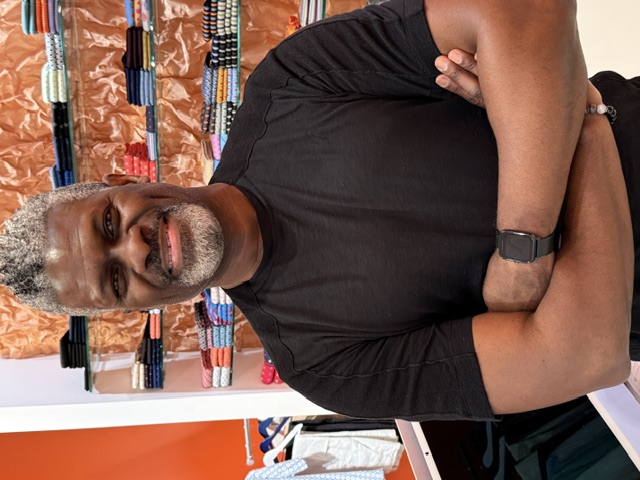
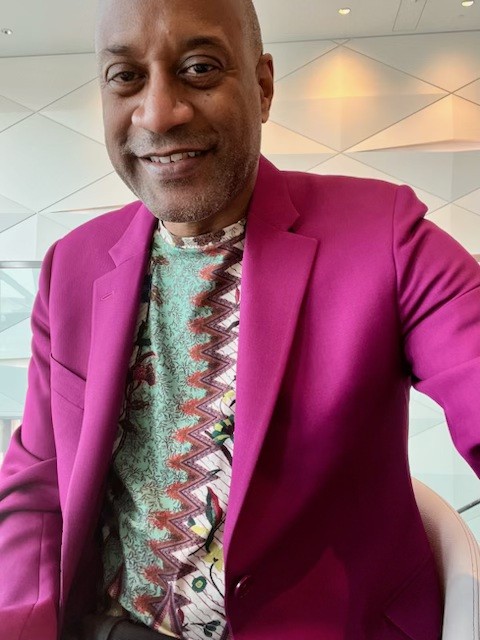
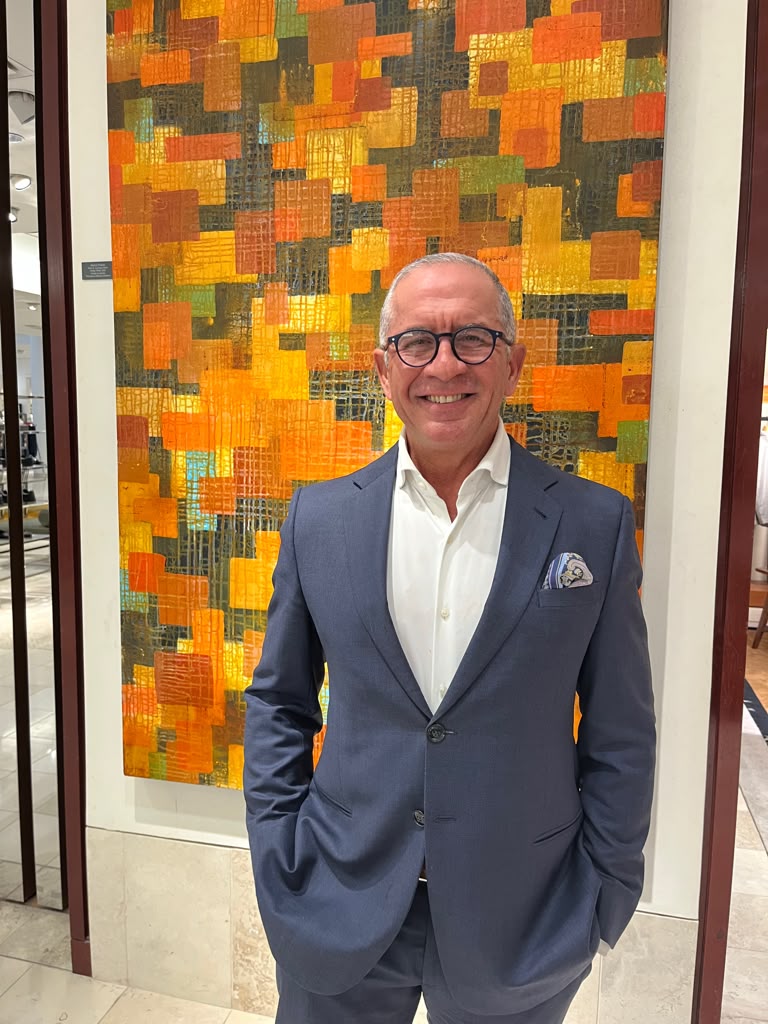
The newest pieces in the journal, at the top of the page where they belong. Two new pieces this week: what to wear when no one is watching, and what to put on the lapel when everyone is.
Say the name of my firm aloud and you hear the word behind everything I do: bespoke. A quarter-century telling the stories of the world's great life-sciences companies taught me that brand and image are not vanity, they are how substance travels. Whether it is messaging, strategy, execution, or fashion, the good stuff is always made to measure. This site is where I take that belief and turn it on the man himself, the personal counterpart to my firm, Sri Spoke Communications.
After years of fast fashion and algorithmic dressing, something is shifting. Men are buying less and choosing better, not chasing trends, but building wardrobes with intent and history.
In order to be irreplaceable one must always be different.
“
Personal style is about taking a risk, trying something unexpected, and having fun with fashion, but always being true to yourself.
“
Fashion should be a form of escapism, and not a form of imprisonment.
“
People will stare. Make it worth their while.
“
Style is not a display of wealth but an expression of imagination.
“
Fashion is art, and you are the gallery.
“
Life is too short to wear boring clothes.
“
Life isn’t perfect, but your outfit can be.
“
So many people have inspired me to be nothing like them.
“
Your brand is the feeling people remember.
From the Archive · Jermyn Street
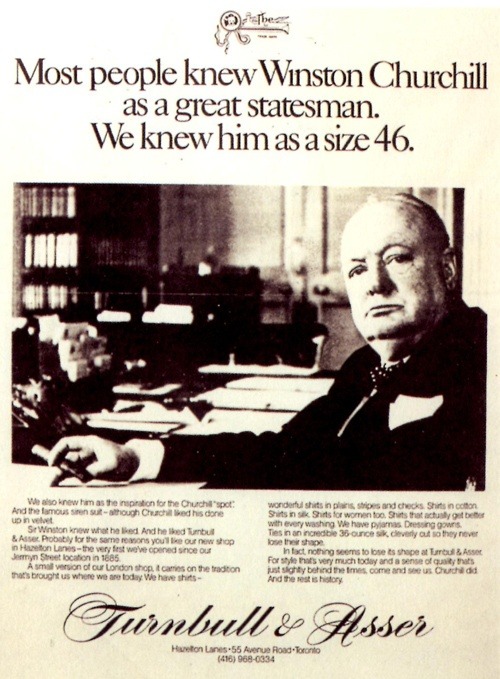
Turnbull & Asser Dressed Winston Churchill
“Most people knew Winston Churchill as a great statesman. We knew him as a size 46.”
The best headline any shirtmaker ever wrote, and it is not even boasting. He came to the house on Jermyn Street for decades, for shirts and bow ties, before he ever commissioned the thing he is remembered wearing. The siren suit was a bricklayer’s boiler suit that Churchill had cut properly, with pleats at the back, a belt, and a breast pocket sized for cigars.
Turnbull & Asser press advertisement · Hazelton Lanes, Toronto
The Suit
Cut in several cloths, most famously in green velvet. He wore them through the Battle of Britain, in Washington with Roosevelt, planning D-Day with Eisenhower, and at Yalta with Stalin.
The Repairs
The house was called on often to mend them. The damage was never from the war. It was from the cigars.
The Spot
The ad claims him for one more thing: he was the inspiration for the Churchill spot, the house’s polka dot, and he liked his done in velvet. The shop has been on Jermyn Street since 1885.
What Survives
Three original siren suits are known to remain. Turnbull & Asser still holds the green velvet one.
On the quiet confidence of a man who dresses entirely for his own pleasure, not for approval, not for the room.
Eyewear & Tailoring
Eyewear & Tailoring
Round & Blue
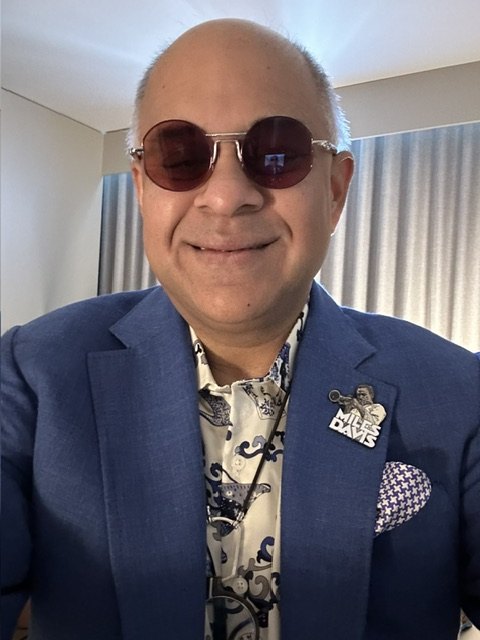
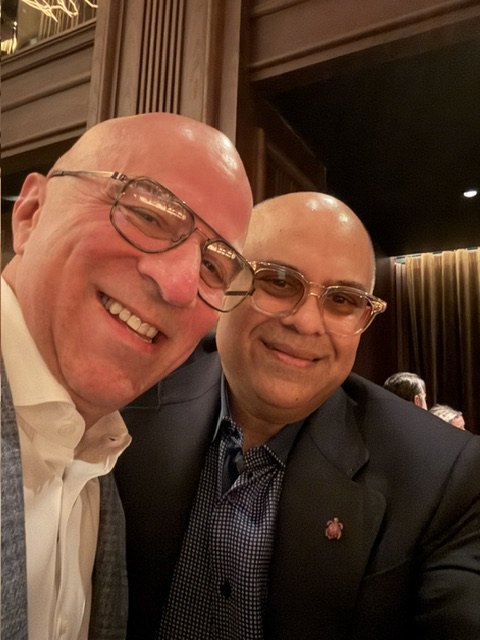
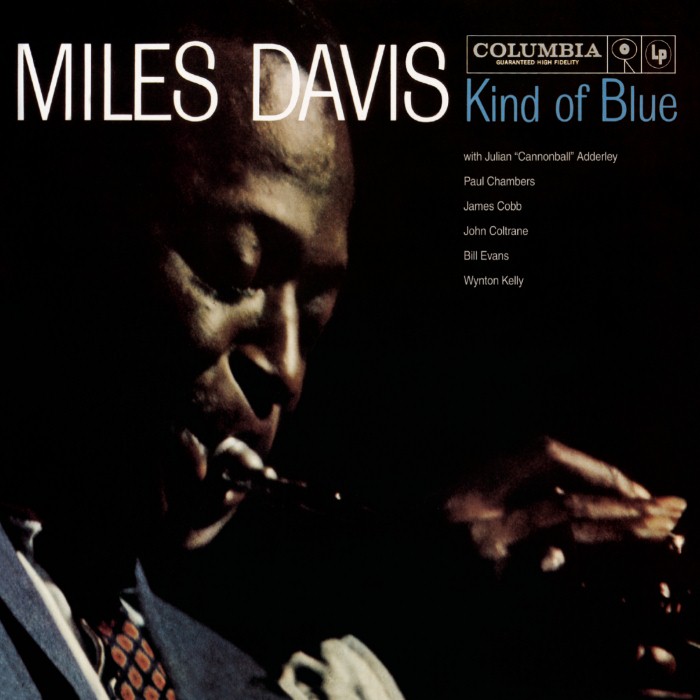
Round frames, a Miles Davis pin at the lapel, and a printed shirt under a clean blue jacket. Off-duty, and still entirely composed.
Off Duty
Off Duty
The Wood-Panelled Hour
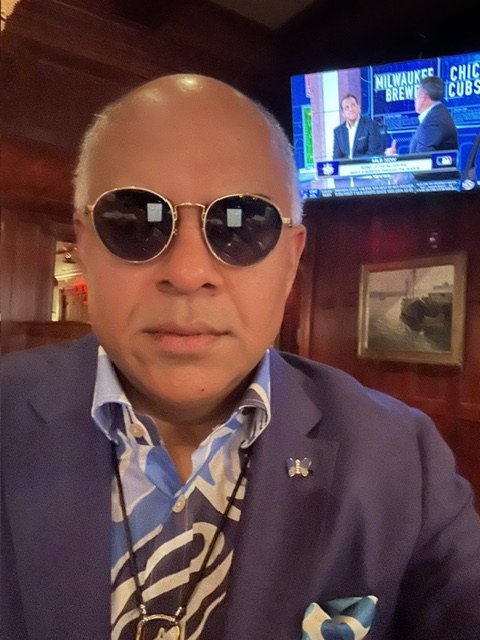
A butterfly at the lapel, a game on the screen, and a blazer that never clocks out. The easy end of dressing well.
Eyewear
Eyewear
The Textured Round
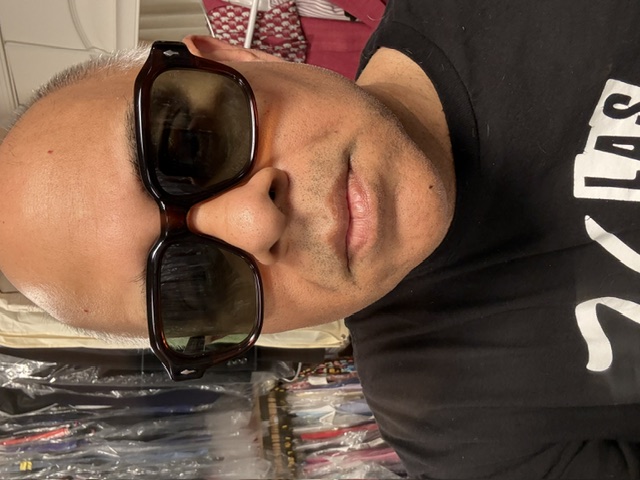
Bold, architectural, entirely unself-conscious. The kind of frame that stops a room, worn by the man who stopped caring about stopping rooms.
Millinery & Eyewear
Millinery & Eyewear
Brunello & Blue
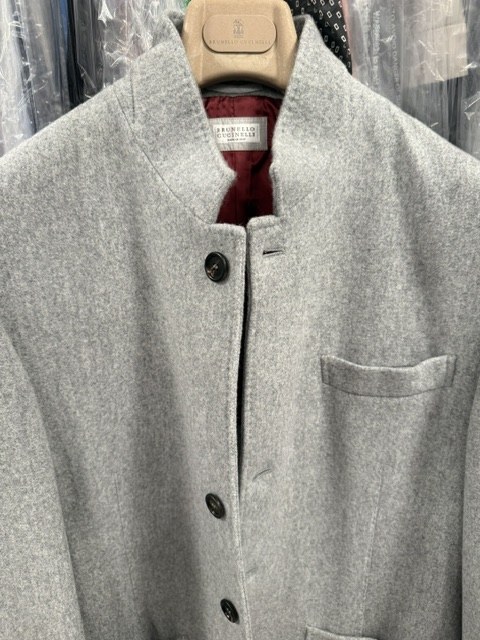
A Brunello Cucinelli cap worn with intent, paired with blue oval frames and a checked blazer. Casual authority. The hat completes the thought.
Neckwear
Neckwear
Stars & Moons
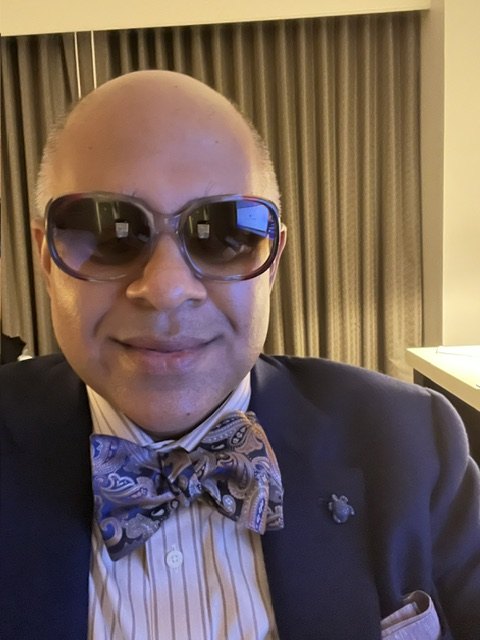
A celestial bow tie in navy and gold, worn with a striped shirt and tailored blazer. Whimsy with conviction. Proof that a serious wardrobe still leaves room to play.
Eyewear & Neckwear
Eyewear & Neckwear
Frames & Paisley
Heavy black frames against a powder-blue paisley tie and crown lapel pin. Quiet maximalism. Every element chosen, nothing left to chance.
Eyewear & Knitwear
Eyewear & Knitwear
Tortoise & Stone
Heavy tortoiseshell frames with amber lenses over a stone merino roll-neck. The whole look runs on tonal restraint and one honest gesture: let the glasses do the talking.
Millinery & Eyewear
Millinery & Eyewear
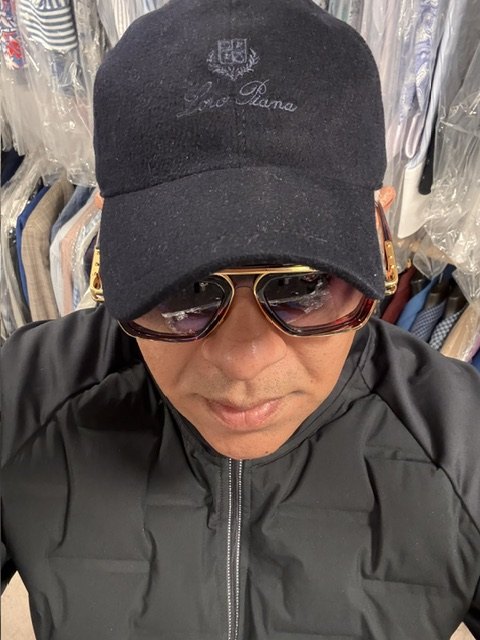
Loro Piana & Amber
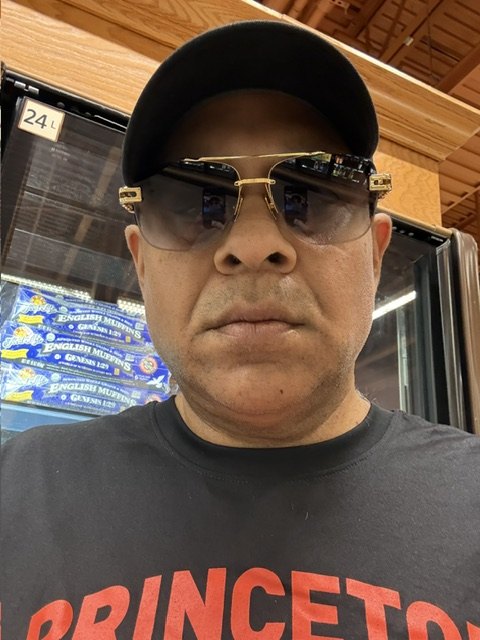
A navy Loro Piana wool cap and tortoiseshell navigators, worn with a black zip shell among a rack of freshly pressed shirts. Off-duty, and still entirely composed. The same eye that dresses for the boardroom, applied to a day with nowhere in particular to be.
Tailoring
Tailoring
The Full Length
Navy blazer, dark trousers, and an easy stance. The whole silhouette read at once, the cut, the drape, the confidence of a man dressed entirely for himself.
Exclusive
Did You Know?
The stories and details behind the objects. Where things came from, and why they are the way they are.
Two pieces on the same island. One follows the smell of curry leaves up Serangoon Road. The other goes looking for the tailor, the hatter, and the last of the great department stores.
Short, sharp conversations with people who have something worth saying.
Coming Shortly
Short, sharp conversations with people who have something worth saying. Check back soon.
The Houses
Brands Worth Knowing
The ateliers, cobblers, maisons, watchmakers, pen-makers, and groomers that set the standard. No compromises, organised by discipline. 156 houses across 13 categories.
Luxury eyewear shaped by the precision philosophy of Swiss watchmaking. Akoni frames are architecturally engineered, beautifully finished, and worn by the man who considers his glasses an instrument.
French eyewear of rare individuality. Handcrafted in their Bordeaux atelier, geometric, colorful, and committed to the idea that glasses are a form of self-expression.
The California frame designer who trained as an architect and makes eyewear like it. Blake Kuwahara's frames are structural, sculptural, and worn by those who consider the face a canvas.
Founded in 1988 by Richard Stark, and still the most uncompromising eyewear made in America. Frames built from sterling silver, buffalo horn and heavy acetate, hand-finished in Los Angeles, with hardware that belongs on a motorcycle rather than a face. Expensive, heavy, unapologetically loud, and made to outlast the person wearing it.
Handcrafted in Japan, designed in LA. DITA makes the finest frames available, each pair a collaboration between two cultures that take precision seriously.
One of the last great independent opticians, and proof the breed still matters. Ed Beiner opened his first South Miami boutique in 1981 and has spent forty years hunting the world for the best frames, from Italy to Tokyo, alongside his own designed-in-LA, handmade-in-Japan collection. The stores pair a serious curated wall with a real optometrist and staff who actually know lenses. The kind of place that treats eyewear as craft, not commodity.
My local shop, and proof you do not need a big city for serious eyewear. Family-run in Marlton for more than fifty years, with a curated wall of frames from around the world and none of the big-box anonymity. The reason to go is Chris and Nicole, two people genuinely worth knowing, with a depth of knowledge about frames and lenses that you almost never find anymore. They will steer you to the right pair for your face and your prescription, honestly, and make the whole thing feel personal. This is what a real optician is supposed to be.
The Antwerp optician carrying the Hoet name, one of the most consequential families in Belgian eyewear. A small, appointment-minded shop on the Riemstraat where the measuring is done properly and the wall is curated rather than stocked. Belgium takes frames more seriously than almost anywhere, and this is where that shows.
The most coveted eyewear of the modern era. JMM frames are handcrafted in Japan in limited runs, each a sculptural object with distinct character. For the collector who wears his art.
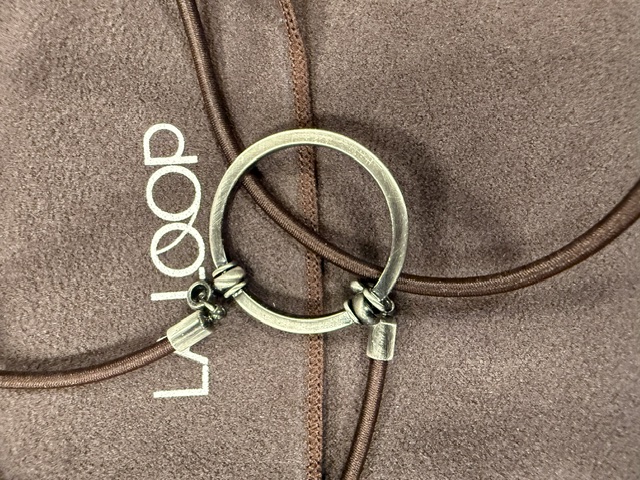
The eyeglass necklace, invented here and patented. Elizabeth Faraut founded LA LOOP in 1999 and replaced the ageing eyeglass chain with a single loop on a 360-degree swivelling hinge, so the frame hangs at the sternum like a pendant instead of clamping to the temples. Leather, acetate, sterling silver, gold and horn, hand-finished. The plain gunmetal cords are the ones for men.
The London house that has redefined luxury eyewear since 1970. Linda Farrow works in gold, titanium, and fine acetate to a couturier’s standard, collaborating with the great fashion names while keeping an unmistakable identity of its own.
Quite possibly the most exclusive eyewear on earth, and the reason is worth understanding. Founded by Alfred Bonnet in the 1930s and now in its fourth generation, this tiny Parisian house is one of the last makers on the planet still permitted to craft frames from genuine tortoiseshell, working from a precious stock laid down before the 1975 Washington Convention banned the trade forever. France has named it a Living Heritage Company and awarded the family the title of Maître d'Art. A single pair is the result of twenty-plus hours of handwork across multiple fittings, a personality interview, and roughly a dozen face measurements most opticians have never heard of. They make only about two thousand pairs a year, with some twenty craftsmen, which makes them one of the smallest eyewear makers in existence. You do not drop by. You make an appointment, as Yves Saint Laurent, Jackie Onassis, Audrey Hepburn, Le Corbusier, and Jacques Chirac all did before you. The frames do not transform you. They enhance you, and they last a lifetime.
Japanese optical artistry of the highest order. Matsuda frames are architectural objects, sculpted, intricate, and produced in quantities so small that wearing them is a genuine statement.
Wearable architecture for the face, and some of the most joyful frames being made anywhere. MATTTEW is the house of the Belgian designer Matthieu Duchêne, who trained in industrial design in Brussels, wrote his thesis on eyewear, and cut his teeth designing for Theo before launching his own name. The frames are handcrafted in the Jura, the historic cradle of French eyewear, from acetate, stainless steel, and pure titanium, and they carry his obsessions on their sleeve: architecture, sharp linework, bold geometry, and color used with real courage. These are glasses meant to be noticed and collected, the kind you choose to match your mood the way you would a tie, and the triple-T in the name is simply his own, with a wink in the middle.
A pair of MATTTEW frames in violet
Eyewear
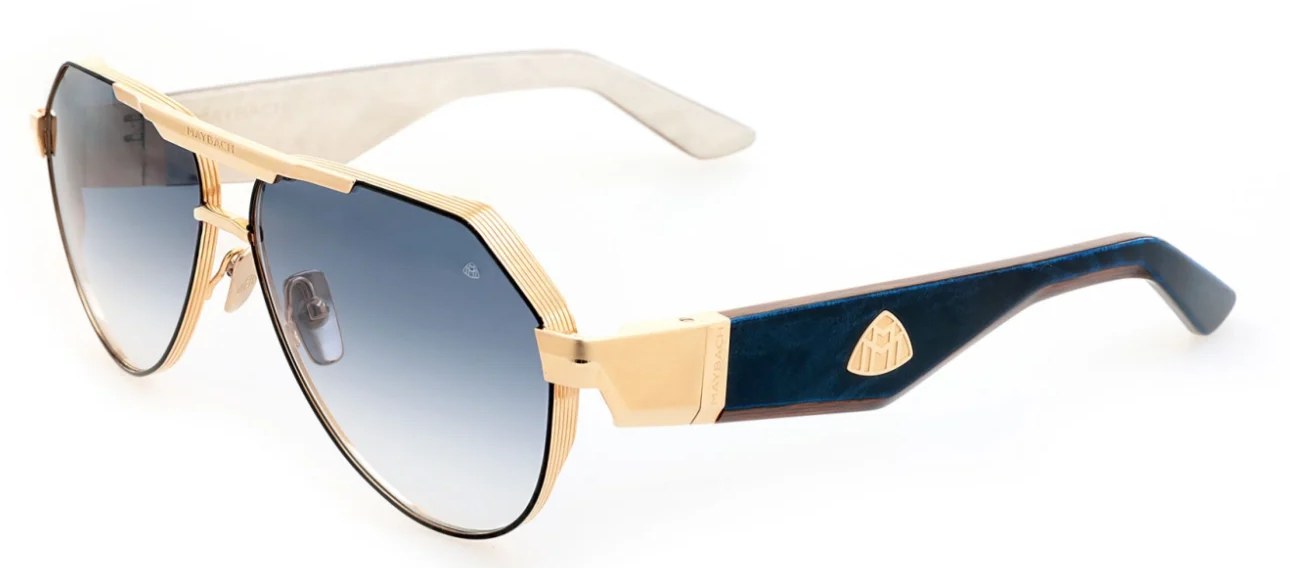
Maybach Glasses
Germany
Named after the legendary motorcar marque. Maybach frames are handcrafted in Germany with the same obsessive attention to detail as the automobiles that inspired them.
Gold, blue gradient lenses, and the Maybach crest on the temple
Eyewear
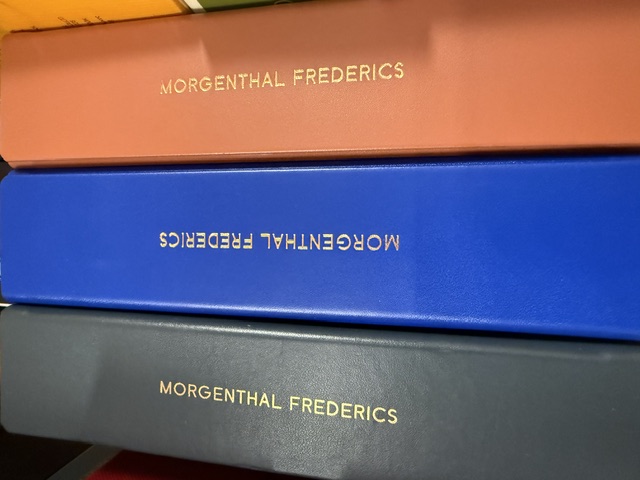
Morgenthal Frederics
New York City
The finest optical boutique in America. Their private-label frames are handcrafted in Japan and Europe to a standard that mass eyewear cannot approach.
New York’s oldest eyewear house, family-run on the Lower East Side since 1915 and now in its fifth generation. The Lemtosh and the Miltzen are American originals, worn for a century by artists and downtown alike, a frame with a story stitched into it.
A rare survivor, a true independent optician family-run on Union Square for nearly thirty years. Lyudmila and Igor Sinder curate a wall of handcrafted European frames chosen for character rather than logo, and Igor still cuts the lenses on site, thirty-five years of it, to a precision the chains gave up on long ago. A serene room in the middle of a loud city, and the kind of personal attention that turns buying glasses into a relationship.
Handmade Italian eyewear from a small house outside Venice, built on the belief that a frame should be cut with the same care a tailor gives a bespoke suit. Piero Massaro works in acetate and metal in short, original runs, originalità, bellezza, esclusività is the house creed, for the man who wants his glasses drawn by a designer rather than a factory.
A new house with old values. Press frames are handcrafted in Japan from bio-acetate and titanium, and in Germany in buffalo horn and wood, fitted with Zeiss lenses. Sculptural, sustainable, and produced in small runs for the man who wants his frames to be the rarest thing he owns.
With Jeff Press, the gentle genius behind Press Eyewear
The Parisian frame designer who brought genuine artisan craft back to eyewear. Hand-polished in France, each pair a considered object, never a commodity.
The house Selima Salaun built in downtown New York in 1993, designed in the city and handmade in France. Colorful, timeless, and quietly beloved, the frames for a certain kind of artist and New Yorker who wants character without a logo.
Not merely a shop but the birthplace of a house. Wim Somers opened here in 1981, and in 1987 he and Patrick Hoet founded theo, the frame brand that taught Europe eyewear could be witty. Still family-run, now by Wim’s son Jan, and still the theo flagship. The motto is that you never leave without a smile, and they mean it.
Ultra-luxury, micro-production eyewear inspired by the world’s most prized possessions. T Henri works in Japanese acetate and 18k gold to a collector’s standard, cinematic and sculptural, for the man who treats his glasses as the centerpiece and not the afterthought.
The Antwerp-born frame house making extraordinarily individual eyewear since 1990. Theo designs are geometric, playful, and utterly distinctive, for the man who sees fashion as art.
The house of British provocation and impeccable cut. McQueen's tailoring carries a darkness and a precision no one else attempts, sharp shoulders, a rebel's eye, and a level of craft that earns every liberty it takes. Romanticism with a blade in its hand.
The Los Angeles house that fused rock-and-roll energy with genuine craft. Mike Amiri's distressed denim, leather, and tailoring carry a downtown recklessness that is entirely deliberate, and executed at a level that silences the critics.
The Amiri cap, Hollywood California in gold script on burgundy
Charaf Tajer’s house of joyful, sun-soaked luxury. Casablanca made its name on the funky, colorful printed silk shirts, camp collars, tennis-club fantasies, Monte Carlo at golden hour, and backs the whimsy with genuinely beautiful making. The rare label that treats optimism as a design principle and gets away with it.
The house Christian Dior founded in 1946 and set aflame a year later with the silhouette the press christened the New Look, remaking postwar fashion overnight. Today one of the great pillars of Paris, its menswear, tailoring, and leather among the most desired and culturally charged in the world.
Swedish shirtmaking of exceptional quality and quiet confidence. Eton's shirts are precise, beautifully finished, and worn by men who understand that the shirt makes the suit.
Roman luxury with a razor wit. The Selleria leather goods and tailored outerwear represent a house that has never needed to shout about its excellence.
Hubert de Givenchy invented a particular kind of French elegance, restrained, precise, and deeply considered. The house at its best still carries that gene.
The Thai silk house, and the strangest story in luxury. Jim Thompson was an American architect turned wartime intelligence officer who stayed on in Bangkok after 1945, found a cottage silk industry in decline, and almost single-handedly rebuilt it into a global business. Then, on Easter Sunday 1967, he walked into the jungle of the Cameron Highlands in Malaysia and was never seen again. The company outlived him. Its silks still furnish hotels and houses worldwide, and his Bangkok home, assembled from six traditional Thai buildings, is now one of the city’s finest museums.
The finest fibres on earth, baby cashmere, vicuña, lotus, woven into pieces that announce nothing and cost everything. Luxury for people who have nothing to prove.
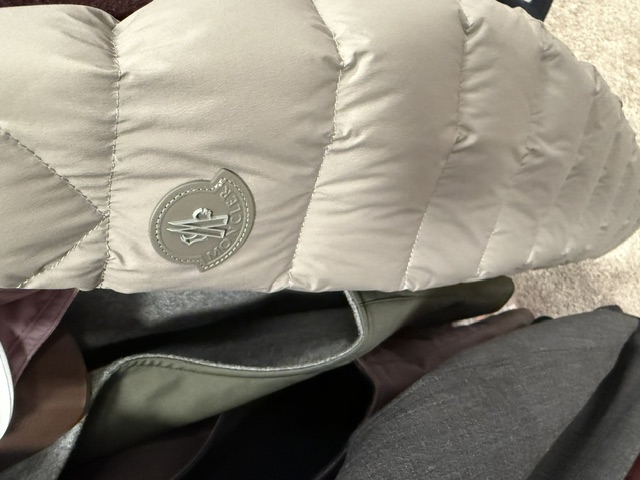
The house that turned the technical puffer jacket into a luxury object. Moncler's down coats are worn from the Alps to the Upper East Side, always recognisable, never apologetic.
The intellectual's luxury house. Miuccia Prada built a vocabulary out of tension, ugly-beautiful, austere yet luxe, always a step ahead of what the rest will arrive at next season. The nylon, the triangle, the restraint that reads as confidence. Cerebral, and entirely Milanese.
The man who didn't just make clothes, he made an American mythology. Purple Label is one of the finest tailoring lines in the world. The polo, the blazer, the idea, all his.
India's greatest luxury house, founded in Calcutta in 1999 by Sabyasachi Mukherjee. Opulent, maximalist, and rooted deep in Indian craft, the hand embroidery, the heritage textiles, the jewellery, it dresses the subcontinent's grandest weddings and has carried that craftsmanship onto the world stage without diluting a single thread.
Yves Saint Laurent invented the tuxedo suit for women and the safari jacket for men, and in doing so rewrote the rules of dressed. The most intellectually serious house in Paris.
The great independent of American luxury retail. The name goes back to a 1909 Chicago emporium, but the store that matters opened in Dallas in 1985, when Caroline Rose Hunt brought it to the Crescent. Crawford Brock has run it since 1987 and owned it since 2002, schooled by Stanley Marcus himself. It is one of the last places that still treats dressing a man as a personal service rather than a transaction, and the menswear floor proves it.
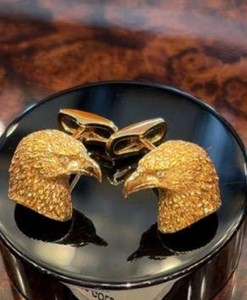
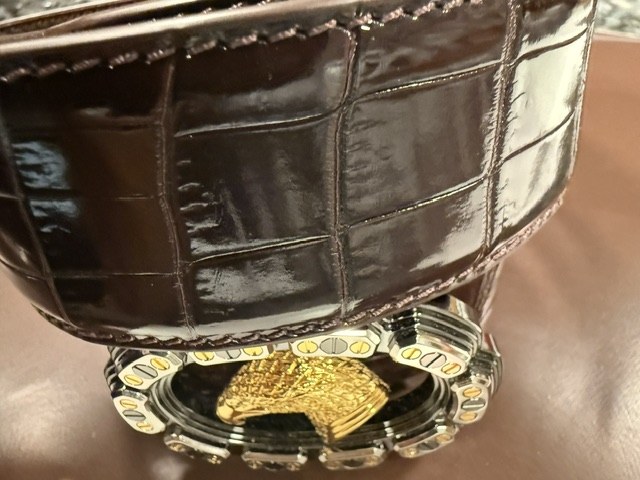
Florentine luxury at full volume, and unapologetic about it. Founded in 1972 by Stefano Ricci, still family-run by his sons, and 100% made in Italy down to the goldsmithing on the buckles. The house built its name on the necktie and never lost the thread, the silk is heavier, the eagle is everywhere, and the whole thing is cut for a man who has arrived and sees no reason to whisper about it. The New York Times called him clothier to the 0.001 percent. He earned it.
Ford restored Gucci and then built his own house in its image, maximally seductive, obsessively tailored, and always in extraordinary taste. The suit as an act of intent.
Gianni Versace made luxury unapologetic. The Medusa, the baroque print, the tailored excess, worn by the man who has no time for modesty and every reason to be bold.
Bresciani, Pantherella, Falke, Marcoliani, Corgi, Gammarelli and the rest, in one table with materials, price and whether they cut over-the-calf. Plus the over-the-calf question answered properly: why your calf, not the elastic, is what holds a sock up, what sock garters were for, and when mid-calf is the better answer.
The Swiss house that has been making shoes since 1851, when Carl Franz Bally built a factory in the village of Schönenwerd. A rare thing, a heritage shoemaker that helped invent the modern industry and still carries the family name.
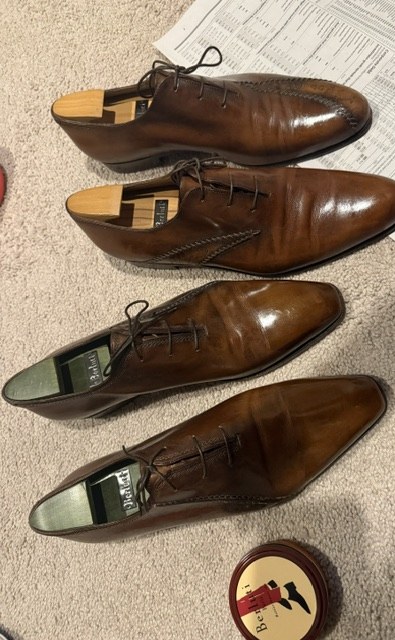
Founded in Paris in 1895 by Alessandro Berluti, whose seamless lace-up cut from a single piece of leather became the house signature. Decades later Olga Berluti broke the old black-and-brown rule with her hand-applied patina on supple Venezia leather, turning a pair of shoes into something closer to a painting. You buy them once, and the color deepens with every year you wear them.
Handcrafted shoes of exceptional quality for the man who wants something beyond the expected. Blue Sole produces footwear that rewards close examination, and repays the investment.
Philadelphia's premier destination for fine footwear since 1938. Boyd's shoe floor is presided over by Edward Maurer, the Einstein of shanks, lasts, and bespoke construction. Maurer's encyclopaedic knowledge of how a shoe is built, from the shank up, is without equal in American retail. If you are serious about what goes on your feet, you go to Boyd's and you ask for Edward.
The best value in serious footwear, and it is not close. The Pujadas family has made shoes in the Mallorcan town of Inca since 1866, six generations deep, and when the mass market nearly killed the island trade in the 1990s, Pepe Albaladejo sold off the big operation and started over from scratch, making far fewer shoes far better. He named the new house after his wife, Carmina. Every pair is Goodyear-welted and largely built by hand in the same family factory, lasts hand-carved, patterns hand-traced, uppers moulded over the last for days in the island humidity, then polished to a deep multi-tone patina. The house is best known for its shell cordovan, and the slimmer, more elegant Mallorcan line sits a world apart from the heavier English silhouette. Made-to-order and full bespoke are both on offer. This is Goodyear-welted craft to rival Northampton and Italy, at a price that still feels like a secret.
Founded in Paris in 1990 by Pierre Corthay, a Meilleur Ouvrier de France. Sculptural lasts and a painter’s hand with patina, the most artful shoes coming out of France, bespoke and ready-to-wear alike.
Est. 1879 and still family-owned in Northampton, the heart of English shoemaking. Goodyear-welted, endlessly resolable, and the sensible man’s answer to how good a shoe can be without any theatrics.
Salvatore Ferragamo was a genius cobbler before the house became a fashion empire. The shoes still carry that founding obsession with the fit of the foot.
A Tokyo workshop making bespoke and made-to-order shoes of quiet, exacting refinement. Hiro Yanagimachi is among the Japanese masters who now set the standard the old European houses measure themselves against.
Perhaps the most admired bespoke shoemaker in Japan, and by extension the world. Fukuda’s finishing, the waist, the sole, the mirror shine, is discussed in hushed tones by the people who care most about such things.
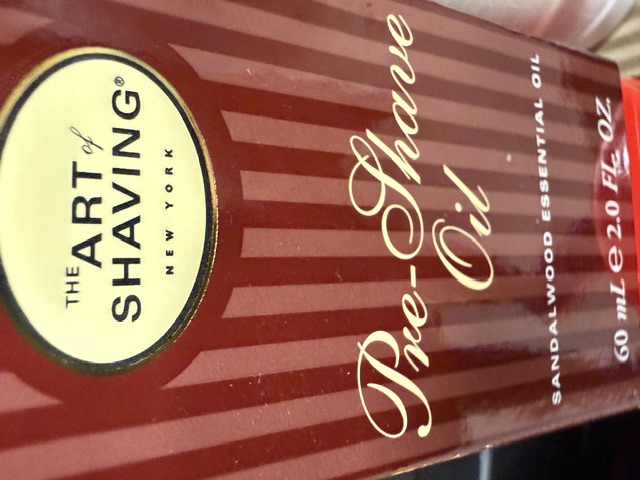
Hot water, a few drops of oil, a proper lather and a balm at the end. The Art of Shaving built a house on four steps, and the first two are the ones almost every man skips. What pre-shave oil actually does, why the brush is not theatre, and why the balm beats the splash.
Aventus, Green Irish Tweed, Silver Mountain Water, Millésime Impérial and Royal Oud, in a table with notes, occasion, longevity and price. Which to buy first, what did not make the five, and an honest word about a celebrated history that the records do not support.
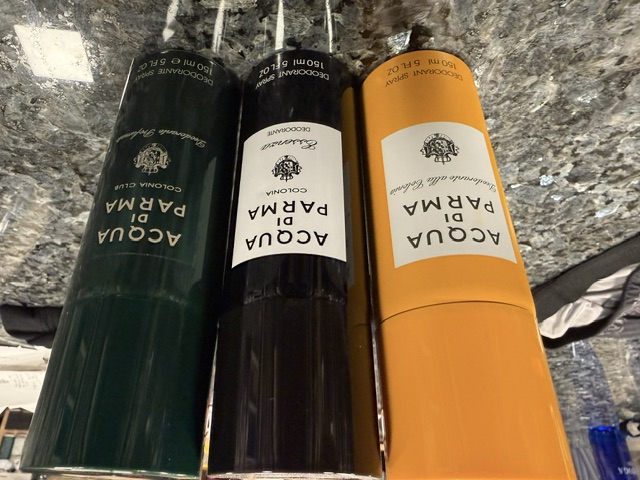
The original Italian cologne house, est. 1916. Colonia is one of the great men's fragrances, clean, citrus, entirely unisex, and recognisable at twenty paces to anyone with taste.
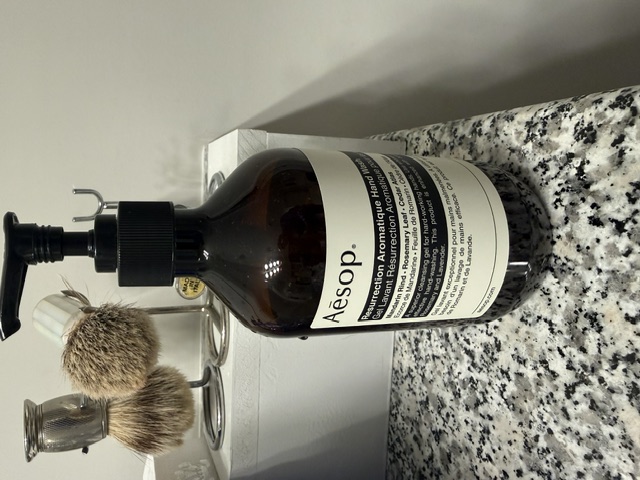
The Melbourne apothecary that turned the bathroom shelf into something worth looking at, all amber bottles and botanical formulas that actually deliver. The sleeper hit is the mouthwash: alcohol-free, built on clove bud, anise, and spearmint leaf, so it warms rather than burns and leaves your mouth clean without that chemical mint sting. Once you have used it, the drugstore blue stuff feels like punishment. Proof that even the most overlooked part of grooming rewards a little taste.
The house that elevated the morning shave from chore to ritual. Pre-shave oils, badger-hair brushes, and exceptional creams, the complete system for the man who takes his face seriously.
The Milanese barbershop that finally crossed the Atlantic, opening its first U.S. doors in New York. Part barber, part gentleman’s club, Barberino’s does the old Italian ritual properly, precise haircuts, hot-towel straight-razor shaves, and beard work, delivered in a handsome dark-wood room with an espresso or a negroni in hand. The most stylish place in the city to sit in the chair.
New York's own niche perfume house, each scent a tribute to a particular corner of the city, from Chez Bond to New York Oud. Bold, characterful, and unmistakably Manhattan. The fragrance for the man who wants to wear an address, not a trend.
The house that has been making fragrances for royalty and heads of state since 1760. Aventus is the most imitated men's fragrance of the modern era. The original remains unreachable.
The London house of the considered shave and the architectural bathroom. Czech & Speake's No. 88 cologne, Oxford & Cambridge soaps, and exquisitely engineered razors and brushes treat grooming as a discipline of design. The complete English ritual, beautifully made.
London's oldest and finest barber, est. 1875. Trumper's pomades, colognes, and shaving preparations are made to original Victorian formulae. The Extract of Limes is non-negotiable.
The East Village apothecary that became a global institution without losing its character. Kiehl's Facial Fuel and Midnight Recovery are benchmarks of effective, unpretentious skincare.
Born from a burn survivor's obsession with healing, La Mer's Miracle Broth is one of the most effective skincare formulations ever produced. The Crème de la Mer is a classic for a reason.
Swiss cellular science applied to the face. La Prairie operates at the intersection of dermatology and luxury, their Caviar and Platinum lines are without equal in prestige skincare.
The hand-blended fragrance house that made the laboratory the showroom. Santal 33 became a generation's signature; Another 13 and Rose 31 reward the man who wants something quieter. Each bottle mixed to order and labelled with your name, perfume as a small, personal ceremony.
Est. 1854. The pre-eminent traditional shaving house in the world. Their shaving creams, soaps, and colognes are made to Victorian standards and have not needed to improve since.
The oldest barbershop in the world, established 1805 and recognized by Guinness, a holder of the royal warrant. The St. James’s parlour still performs the full ritual, traditional hot-towel wet shaves, haircuts, and beard trims by master barbers, and its Sandalwood and Grafton ranges set the standard for shaving creams, colognes, and aftershaves. The place to go when you want the shave and the haircut done the way they were meant to be.
The German house behind the world's finest steel, since 1731. Beyond the kitchen, Zwilling's grooming and manicure sets, razors, scissors, files, and clippers forged in Solingen's famous blade city, are the quiet standard for the man who keeps a proper dopp kit. Built to outlast the man who buys it.
Ten houses in a single table, ordered on craft: what each is known for, the materials, the price band and who each one is for. From England’s oldest family jeweller, founded in 1786, to the vintage room on Pine Street. With the fittings compared, and the history as a companion piece.
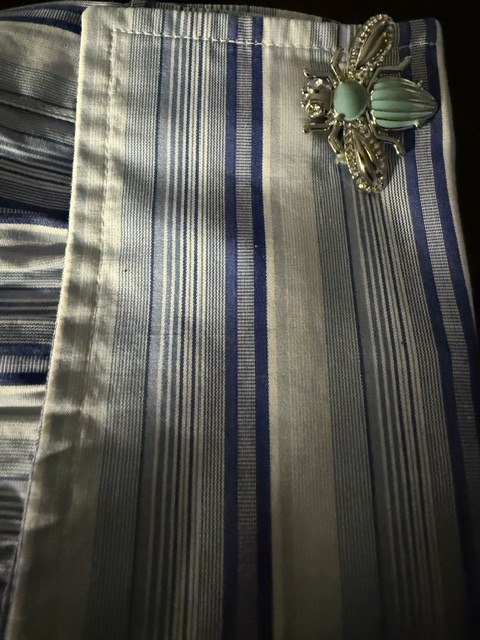
Begüm Kıroğlu's handcrafted jewels turn scarabs, praying mantises, frogs and dragons into gold-plated bronze set with diamonds, rubies, coral and turquoise. Made by hand in a workshop beside the Grand Bazaar, drawn, in her words, to the dramatic rather than the delicate.
England's oldest family jeweller, est. 1786. Makes extraordinary cufflinks, rings, and accessories, objects of wit, craftsmanship, and quiet English eccentricity.
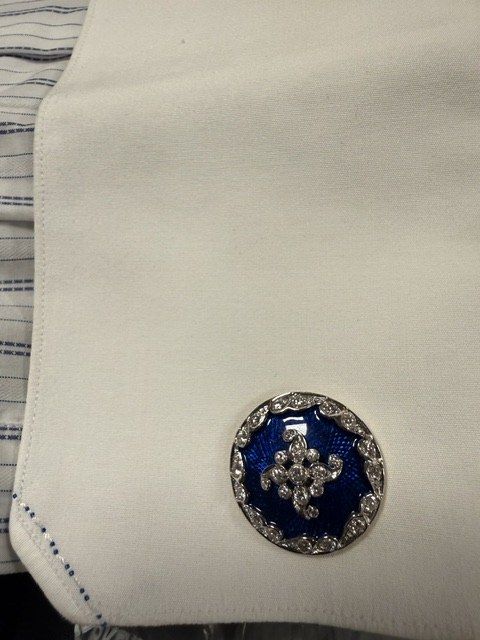
The legendary house of the Kasliwal family, jewellers since 1852 and once purveyors to the maharajas. On MI Road in Jaipur, Gem Palace sets Indian stones and centuries of craftsmanship against a worldly eye, enamelled work, uncut-diamond polki, and high jewellery of a kind found almost nowhere else.
Blue guilloché enamel, diamond swirl within a diamond-set border
A Philadelphia legend hidden behind an unassuming door at 1329 Pine Street, the shop of Henri David, jeweller, costumer, and impresario of the city's most notorious Halloween ball. It keeps its own idiosyncratic hours and is best visited by appointment, a candlelit treasure cave of antique and estate pieces, one-of-a-kind custom commissions, and gothic, theatrical designs found nowhere else. Not a store so much as a happening, and a rite of passage for anyone in Philadelphia who takes jewelry seriously.
A Princeton institution since 1912. Hamilton carries the great watch and jewelry houses with the personal service of a jeweller that still knows your name and remembers your taste.
The New York jeweller who makes cufflinks of extraordinary imagination and quality. Jan Leslie's pieces are collected by men who understand that the details are the difference between dressed and dressed well.
Mitchell Binder started as a jewellery apprentice at fifteen and launched King Baby in Los Angeles in 2000, and the house has been making sterling silver with rock and roll in it ever since. Everything is handmade in America in its own .925 silver: the MB cross, skulls with garnet eyes, wings, lions and sheriff stars, running from a hundred dollars to a slash cross in silver, 18k gold and diamonds. Cufflinks, rings, buckles and chains, with flagships in Santa Monica, Nashville, Las Vegas and New Hope. Not quiet, and not trying to be.
Greek jewelry with the weight of antiquity. Konstantino Sfakianakis works sterling silver and 18k gold into pieces drawn from Byzantine and ancient Hellenic motifs, and, rare among fine houses, builds a serious world for men, crosses, signet rings, and cuffs with real presence and heft.
Steven Lagos's caviar-beaded silver and gold pieces occupy a category of their own. American fine jewelry with a distinctive texture no one else has managed to replicate.
The money clip raised to the level of a considered object. Built around a patented sliding-lever design and made by hand from stainless steel, brass, and aircraft-grade aluminium, M-Clip has spent two decades turning the way a man carries his cash and cards into a small point of pride. The line now runs to card holders, cuff links, tie bars, and key rings, each finished to the same exacting standard.
A quietly original American cufflink maker, drawing inspiration from the overlooked geometry of the everyday, a steel road grate, a washed-up sea star, the clear nectar of a blooming orchid. Small sculptural objects for the wrist, made for the man who notices what others walk past.
The little blue box that has carried the world's finest diamonds since 1837. Tiffany's silver, engagement rings, and jewelry represent the American ideal of luxury, accessible, joyful, and enduring.
The house that began with saddles and arrived at the summit of luxury without ever changing its values. A tie, a belt, a Birkin, all made the same way, with the same hands.
The rarest thing in luxury leather: a house that answers to no European name and needs to. Founded in colonial Singapore in 1938, Kwanpen began when Kwan Pen Seng repaired and restored the leather goods of British officers and their wives, learned the material intimately, and decided to build a house of his own working only in the most demanding skins there are. Three generations on it remains family-run and Singaporean to the core, and it commits to a single uncompromising rule: exotic leather only, crocodile and alligator, nothing else. Every bag is still designed and cut in Singapore from prized center belly-cut hides, each skin as individual as a fingerprint and unforgiving of any hand not skilled enough to read it. Roughly forty-two hours of work go into a single piece, only about five thousand are made a year, and every hide is CITES-certified, the house having belonged to the crocodile conservation group since 1985. Only the metal fittings come from Italy. Everything else is Singapore, and it rivals anything Europe puts on a shelf.
The trunk maker that became the world's most valuable luxury brand. The monogram canvas is fashion's most recognised symbol, beneath it, a house of genuine craft and ambition.
The aluminium suitcase that became a status symbol before anyone admitted it. RIMOWA's grooved cases are among the most recognisable objects in any airport, and the most durable.
The old house of Swaine Adeney Brigg, established in 1750 and a holder of royal warrants across three centuries. The bench that made the Brigg umbrella and the attaché case that went to the screen with James Bond, its bridle-leather cases and hand-stitched briefcases are cut and finished in England to a standard the trade still measures itself against. Understated, close to indestructible, and quietly the most British thing a man can carry.
The business traveller's essential. TUMI's ballistic nylon cases and leather bags are built for the man who lives between airports, and refuses to sacrifice function or appearance.
Belgian millinery of rare distinction. London-trained and Antwerp-based, Anne Stoffels creates headpieces that are architectural objects, each one meticulously hand-crafted in her Antwerp atelier with an eye for the extraordinary, combining traditional couture technique with a thoroughly contemporary vision.
With Anne Stoffels in her atelier. The woman is a hat genius.
A few of her pieces, made for me, the range of her artistry:
The San Francisco institution that has been dressing the considered man since 1939. Cable Car Clothiers carries fine hats alongside the classic English and American clothing that has defined the house, a shop that remembers what dressing well actually means.
The American millinery house that makes hats with a point of view. Hat of Cain's work occupies the space between wearable art and everyday luxury, each piece shaped with an individuality that refuses to be ordinary.
The American hatter whose work has attracted a devoted following among men who take their hats as seriously as their suits. Keith James produces felt and straw hats of exceptional quality, shaped for the individual, not the rack.
Est. 1676, the oldest hat shop in the world, and still at the same address on St James's Street. Lock & Co. invented the bowler hat, made Wellington's cocked hat, and holds two royal warrants. There is no further argument to be made.
New York's most distinguished hat shop, est. 1922. Worth & Worth has been blocking and finishing fine hats on Madison Avenue for over a century, fedoras, panamas, and bespoke commissions.
From Place Vendôme to a workshop in Sydney. Where to buy, how to judge interlining, silk and shape, why the finished bow should be as wide as your face, and the one rule that is not negotiable: never buy pre-tied.
The shops themselves, in a single table: Paris, London, Sydney, Chiang Mai, New York and Vermont. What each one is worth going for, the cloth they cut, what a bow actually costs and whether they will make one to your own specification. Self-tie only.
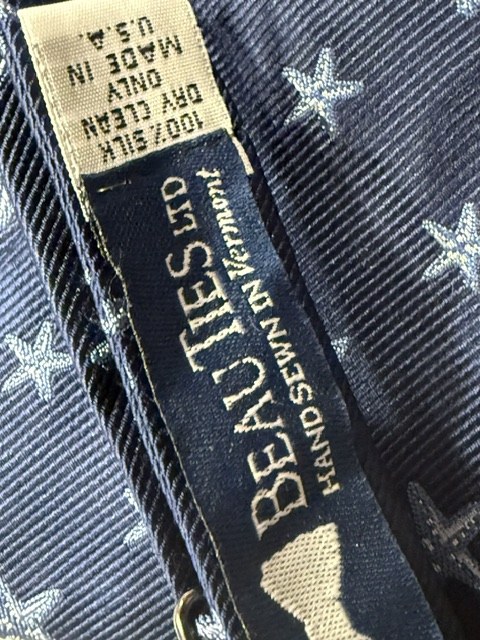
American neckwear handmade in Vermont since 1993. Beau Ties cuts and sews its bow ties, four-in-hands, and pocket squares by hand from fine silks, a small New England house with a devoted following and a refreshing lack of pretension.
The specialist's specialist. Over five hundred American-made bow ties in silk, cotton, and wool, self-tie, pre-tied, and every neckband length, worn by presidents and sportscasters alike. If it ties around the collar, they have thought about it harder than anyone.
Roman jewelry sensibility translated into silk. Bulgari's ties and accessories carry the house's unmistakable sense of color and proportion, the dressed equivalent of a Serpenti, quietly worn.
The house that invented the button-back bow tie in 1987. Each Carrot & Gibbs bow is individually cut, sewn, and pressed by hand in Colorado from Italian silk, fastened with mother-of-pearl buttons rather than a metal clasp. The connoisseur's bow tie.
The world's first shirt shop, est. 1838, and still the most exalted name on Place Vendôme. Each Charvet tie comes in dozens of colorways with new designs every week, and the silk-knot cufflinks were invented here. Dressed royalty and presidents for two centuries.
The most joyful neckwear house in Paris. Founded in 2011 by Alexandre Chapellier, dubbed the "neck dresser of Paris" by GQ, Cinabre revived a bow tie and tie atelier in the Loire Valley, where every piece is still handmade in France. Named for the vivid vermillion pigment, the house makes bow ties, ties, lapel pins, and pocket squares with wit and flair, and runs a beloved Tie Hospital that cleans and rebuilds treasured neckwear by hand.
A bold take on bespoke luxury accessories, founded by an Esquire Best Dressed Real Man. Bow ties, neckties, pocket squares, and cufflinks for the modern gentleman who finishes an outfit with intent.
Beyond the famous shoes, Ferragamo's silk ties are a category unto themselves, printed with whimsical, instantly recognisable motifs and woven to a standard few houses match. The tie a man reaches for when he wants a little wit at the collar.
Matt Fox and Enrique Crame III started Fine and Dandy in 2008 as a line of dandy-inspired accessories made in the USA, and opened the Hell’s Kitchen shop in November 2012. Bow ties, cummerbunds, suspenders, cufflinks, pocket squares and scarves, priced so that experimenting with colour costs you very little. A vintage showroom followed in 2021, and the founders appear in I Am Dandy, which is the correct company for them to be keeping. The most fun room in New York for a man buying accessories.
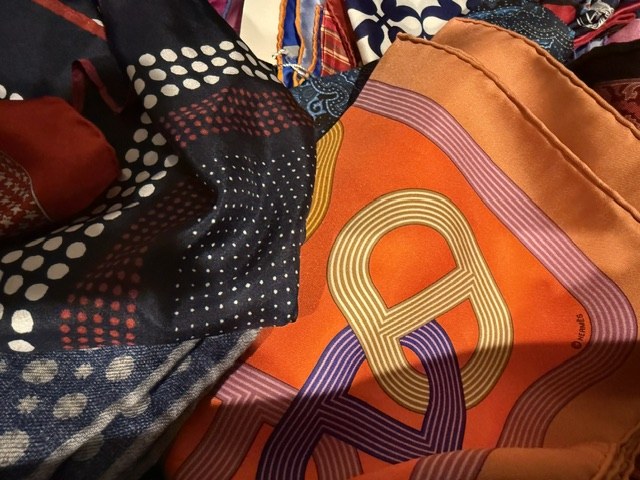
The benchmark of the printed silk tie. Hermès twills carry small, precise motifs and a hand no rival has equalled, the most recognised, most imitated, and most quietly authoritative tie a man can wear.
Custom neckwear done properly. Carl Rutberg founded it and runs the design, with a degree from Pratt, a doctorate from NYU, a teaching post at FIT and a long background in fabric and manufacturing, and the bow ties are hand made in Italy. Self-tie and pre-tied, in silk, with low minimums for custom work, which is why Harvard, Princeton, the Whitney and a good many others keep coming back. If you want a self-tie bow in a specific colour and cannot find it anywhere, this is where you go. And if you have never tied one, start here.
American-sewn bow ties from a house that began, oddly, with pocket squares. Randy Hanauer started in 1985 on a single machine in a tailor shop, finishing work on his own dining room table, having spotted that nobody was making pocket squares designed to be displayed rather than used. Bow ties and cummerbunds followed. The Fort Mill workshop opened in 1990 and has tripled in size since, his son Randall is now a partner, and the ties are cut from imported fabrics and sewn in South Carolina. Sold through more than 330 shops nationwide rather than a store of their own, so use the retailer finder to locate a stockist near you.
The Madison Avenue tie shop whose hand-made silks are woven in Kyoto and finished in New York. Seigo's color sense is unmistakable, even a President has been spotted in one. The kind of small house that understands the final ten percent of an outfit is where the real work is done.
London's most complete luxury house, jewelry, leather, silver, watches and more, all made in their own workshops. The royal warrant is almost an understatement.
The Charleston institution and the definitive American authority on the blazer button and the club tie. Ben Silver carries the largest collection of authentic regimental, club, and university neckwear in the world, plus tailoring and furnishings chosen with Lowcountry rigour. A catalogue worth keeping.
The Jersey Shore’s answer to a great city clothier, and a genuine destination. Garmany fills a landmark building on Broad Street with the best of Italian and international luxury, Brunello Cucinelli, Zegna, Kiton and more, alongside expert in-house tailoring, a wine bar, and the kind of unhurried personal service that keeps clients coming back for decades.
A Princeton fixture for the man who dresses for the eating clubs and the boardroom alike. Hiltons carries fine tailored clothing and furnishings with the unhurried, knows-your-name service that the great college-town clothiers were built on.
The premier destination for fine menswear in the Carolinas, tucked into North Hills in Raleigh. Founded in 1994 by Bruce Liles, once dubbed North Hills’ best-dressed man, it is a "candy store for gentlemen" carrying artisanal American and European lines rarely found in the South, from Belvest and Corneliani to Barker Black. Its real forte is bespoke and made-to-measure, with a personable staff who help you build a wardrobe that is entirely your own.
Houston's finest men's clothier. M. Penner carries the great Italian and English houses with the knowledge and personal attention of a shop that has dressed the Texas business community for decades.
Family-run fine apparel destination since 1949, now anchored in Southlake Town Square. Onsite tailors and personal stylists pairing top designers with genuine, generations-deep service.
Rhode Island's destination for fine men's clothing. Marc Allen pairs the great Italian houses with on-site tailoring and the kind of personal attention that turns a first fitting into a thirty-year relationship. New England service at its most genuine.
Family-owned since 1958, operating on the radical premise that relationships matter. Their Hug Your Customers philosophy is not a slogan, it's a practice.
The online shop that proved a man will buy serious clothes from a screen if the edit is sharp enough. Mr Porter carries the houses you actually want, but the reason to go is the point of view, the buy is curated, not dumped, and The Journal treats menswear as a subject worth writing well about. The in-house line, Mr P., quietly turns out some of the best-value tailoring and knitwear going. Much of that vision belongs to CEO Toby Bateman, the founding editor who built the shop and returned to lead it, and who remains one of the sharpest and most visionary minds in menswear, a man who understood before almost anyone that a screen could sell taste as well as clothes. When I can't get to a real shop, this is the one I trust.
The Boston area's most serious independent men's clothier since 1968. Mr. Sid carries Zegna, Canali, and the finest Italian tailoring with expert in-house alterations, a destination shop that has dressed Greater Boston's most considered men for over fifty years.
The Madison Avenue institution that dressed the American businessman at his most considered. Paul Stuart's house style, slightly bold, impeccably tailored, remains unmatched.
The modern American shop done exactly right. Sid Mashburn built a house style, trim, colorful, equally at home in a suit or chinos, and a service ethic that has earned a national following. The reference point for how a contemporary men's store should feel.
The West Coast's most distinguished men's clothier. Wilkes Bashford carried the great Italian and English houses for over five decades, with an eye that never wavered.
Boxwood sticks, starch, whalebone and brass. Why the collar stay exists at all, the contested question of who invented it, what it can and cannot fix, and why the free plastic ones should go straight in the bin.
The great Shanghainese shirtmaking tradition, carried to Hong Kong and the world. Ascot Chang opened on Kimberley Road in 1953, having apprenticed under a master in Shanghai, and built a house whose bespoke shirts became the quiet standard for men who knew. Still family-run three generations on, they keep nearly six thousand rolls of the finest shirtings on site, cut a continental house style with a lightweight canvas and a whisper of roped shoulder, and count presidents and film stars among a devoted following. Seventy percent of the business is still bespoke, all through one desk in Hong Kong.
The Roman house that dressed power itself. Founded in 1945, Brioni is tailoring legend, and its shirts share the same obsessive hand: cut in Italy from the finest cottons, finished with the discretion and structure that made the name. A Brioni shirt is the quiet foundation beneath one of the great suits.
New York’s custom shirtmaker of record, and the best value in bespoke shirting in the city. Carl Goldberg spent more than twenty-five years in the shirt trade before opening CEGO, and every shirt is cut to your own measurements and made by hand in Manhattan, not sent offshore. The costume departments know it too, CEGO shirts have gone on screen in Succession, The Marvelous Mrs. Maisel and Joker, and onto Broadway stages. By appointment, and worth making one.
The finest shirtmaker on Jermyn Street. Emma Willis's bespoke shirts are made to a standard of fit and finish that her Jermyn Street neighbours respect deeply.
Swedish precision applied to the dress shirt since 1928. Eton began in a family kitchen and grew into one of the world’s benchmark shirtmakers, weaving its high-performance cotton in Italy and building each shirt from forty-five parts and twelve thousand stitches. They gave the world the first fine non-iron cotton shirt in 1992, and remain the reliable, beautifully engineered choice for the modern wardrobe.
Italian shirtmaking at a level that makes most rivals look approximate. Founded in 1962 in Bologna, Fray's shirts are hand-finished with Australian mother-of-pearl buttons and cloth sourced from the world's finest mills, worn by the man who considers a shirt a second skin.
A Jermyn Street pillar. Harvie & Hudson's shirts are a lesson in English understatement, the collars precise, the cloth exceptional, entirely uninterested in trend.
Naples in a shirt, which is to say soft, alive, and quietly joyful. Isaia has made Neapolitan tailoring one of the most desired in the world, and its shirts carry the same DNA: lightweight, beautifully made, with the ease and personality that only the south of Italy seems to manage. The little coral horn on the label is a wink of Neapolitan superstition.
The house that made the custom shirt modern. Founded in New York in 2008 by Seph Skerritt, Proper Cloth built a smart made-to-measure system that fits a man from a handful of answers, then backs it with genuinely excellent cloth and finishing, proof that made-to-order need not mean fussy or slow. Two Manhattan showrooms if you would rather be measured in person, Soho at 495 Broadway and Fifth Avenue at 681 Fifth, with Chicago and Washington besides.
Florentine maximalism at the very top of the market. Stefano Ricci began in 1972 with silk ties and built an empire for the man who wants his luxury felt as well as seen. The shirts are cut from sumptuous cloths, Bengal stripes and jacquards among them, finished to a standard that spares nothing. This is dressing without apology.
The house of the soft suit. Anderson & Sheppard's unstructured, featherweight coat is the most copied silhouette in tailoring, and the most unmistakable.
A family house off Savile Row since 1889, with a military-tailoring background that shows in the details, a ribbon trim built into the jacket rather than added after, that kind of thing. The pitch is real bespoke without the two-season wait or the Row's top-shelf pricing, and they'll travel to measure you. Old-guard purists may sniff at the speed, but the fit and the finish hold up, and there's a lot to be said for a tailor who respects your calendar.
The name and the concept are ours, conceived by Sri "Chico" Ramaswami with Johnny Manglani. A standing idea more than a storefront: a circle of men who commission rather than buy, who keep a relationship with a cutter the way others keep one with a barber or a sommelier. Membership is a state of mind. The garments follow.
America's oldest custom shirtmaker, family-run in Houston since 1883. Five generations of cutting bespoke shirts to the individual body, single-needle stitched, cloth chosen from the world's finest mills. The American answer to Jermyn Street, and a worthy one.
The house that invented Savile Row. Henry Poole made the first dinner jacket, for the Prince of Wales in 1865. Every other tailor on the Row owes them a debt.
German precision applied to the business suit. The Boss line remains the benchmark for accessible executive dressing, clean, controlled, and consistently well-cut.
The cavalry tailor. Huntsman's signature single-button, high-armhole cut is unlike anything else on the Row, disciplined, architectural, and built to last a lifetime.
The Ivy League tailor since 1902. J. Press invented the sack suit, unpadded, natural-shouldered, entirely American, and has never seen reason to change it. Correct, not fashionable.
The Milanese house that does everything, bespoke tailoring, made-to-measure knitwear, and leather goods of exceptional refinement. One of the best-kept secrets of Via Montenapoleone.
Beyond the famous shop floor sits a serious custom and made-to-measure operation. Paul Stuart's house cut, a touch bolder than Brooks, more individual than the Italians, has dressed the considered American businessman since 1938. The made-to-measure program is where the house shows its hand.
The modernist of the Row. Richard James brought color, wit, and a downtown sensibility to Savile Row in the 1990s. The house that made bespoke feel alive again.
Proof that the pinnacle of bespoke does not only live on Savile Row. Established in Chennai in 1904, Syed Bawkher is one of the oldest continuously operating bespoke houses on earth, a tailoring dynasty now in its third and fourth generation under Aijaz and his son Unaiz. Their signature cut is patented and genuinely secret, known to only one Master per generation and handed from father to son. Every coat is built on hand-padded goat-hair canvas rather than cheap fusing, production is deliberately capped at twenty suits a day, and the client list has run to aristocracy and businessmen the world over for more than a century. This is the real thing, an intoxicating luxury made to your body and your body alone.
The house that began by making the finest cloth in the world and then decided to make the suits from it too. From the mill to the finished garment, Zegna controls everything.
The French house of extreme luxury. Zilli produces garments in crocodile, ostrich, and the finest wools, for the man who considers the extraordinary to be the minimum standard.
The men’s line of Aimer, one of Asia’s great intimate-apparel houses. Aimer Men brings a serious eye for fit and fine fabric to the most everyday layer of all, the one you never see and always feel.
Founded in London in 1926 and the modern name in luxury loungewear, pyjamas, and underwear. Derek Rose does the off-duty end of dressing beautifully, the fine cotton and the easy cut you live in when no one is watching.
Milanese drama applied to the undershirt. The D&G man’s tank and brief have been a signature since the label’s early days, worn with the same conviction as everything else the house makes.
Swiss since 1884, and the quiet benchmark for luxury underwear and loungewear. Hanro works in featherweight mercerised cotton and fine modal, the sort of basics that feel like a secret once you own them.
Franco Moschino’s house of wit, turned to the waistband. The logo band is half the joke and half the point, playful Italian underwear for the man who does not take getting dressed too seriously.
The Canadian upstart that rethought men’s underwear around a single idea, the BallPark pouch. Saxx is the modern, technical answer on this list, engineered for comfort and cheerfully unbothered by heritage.
Tom Ford brought his particular brand of polish to the undershirt, and it shows. The briefs and tanks are cut close and finished to a standard that treats the base layer as seriously as the dinner jacket worn over it.
The Italian house that has spun its own cloth in the Piedmont mountains since 1910, brought to the layer beneath everything. Zegna’s inner line carries the same obsession with fibre that made its tailoring a byword for quiet quality.
Founded in 1871 and widely called the finest underwear in the world. Zimmerli is still made in Switzerland to a standard that turns an undershirt into an heirloom, the last word in quiet luxury next to the skin.
Germany’s answer to Swiss haute horlogerie, and for many the finest movement finishing in the world. Founded in 1845, silenced by war and the East, and reborn in 1990, the Lange 1, with its outsize date and off-centre dial, announced the resurrection.
One of the last great houses still in family hands, and the mind behind the Royal Oak, Gérald Genta’s 1972 steel sports watch that rewrote the rules of luxury. From the Vallée de Joux, where the hardest complications are still finished by hand.
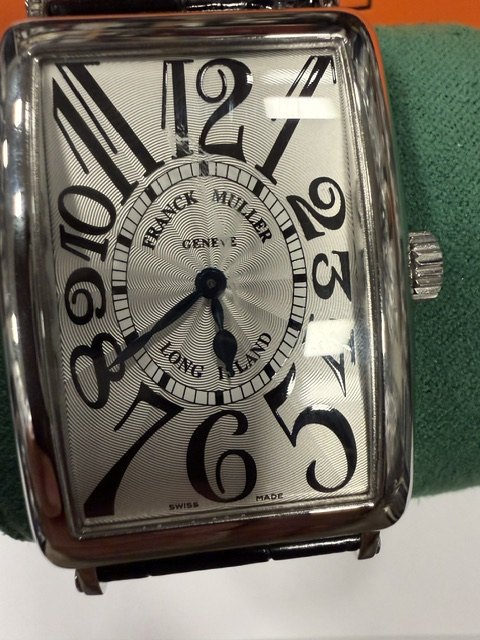
The Master of Complications, and the house that turned bold modern watchmaking into its own language. Franck Muller built his name on audacious complications and the arched Cintrée Curvex case, and the Long Island carries that Art Deco confidence on the wrist, its exaggerated numerals dancing across a guilloché dial. Swiss made in Genthod, just outside Geneva, for the man who wants his watch to announce itself.
The watchmaker's watchmaker. JLC has invented more complications than perhaps any other manufacture. The Reverso is one of the great objects of the 20th century.
Italian design, Swiss movement. Panerai's oversized cushion cases began as instruments for Italian Navy divers, and arrived on the wrist of every man with a serious relationship with time.
You never truly own a Patek Philippe. You merely look after it for the next generation. The Calatrava, the Nautilus, the Grand Complications, each a masterwork.
Est. 1755, the oldest watchmaker in continuous operation. Every Vacheron carries unbroken centuries of Geneva craft. The Overseas and the Traditionnelle are magnificent.
Every fountain pen user ends up with stained fingers, and soap will not shift it because ink is not an oil. What actually works is Amodex, used dry, before you go anywhere near a tap. The method for hands, the method for a shirt cuff, and the one rule that decides whether an ink stain is permanent.
English leather-bound writing at its best. Aspinal's journals, notebooks, and desk pieces are made in fine grained leathers with a weight and finish that make the act of writing feel like an occasion. The kind of thing you pass down, not replace.
A Houston institution in Rice Village, and one of the great American pen shops. Dromgoole’s carries thousands of fountain pens, inks, journals, and fine stationery, and keeps a Pen Doctor on hand for tune-ups, nib adjustments, and repairs. A destination for collectors and first-time buyers alike.
Washington’s storied pen house, serving the capital since 1929. Fahrney’s has outfitted presidents and statesmen with fine writing instruments for nearly a century, offering an exceptional selection of pens, inks, and leather goods, along with repair and engraving. A national treasure for the written word.
The legendary New York pen emporium, founded in 1946 by the Wiederlight family and still run by them today. As much a hospital as a shop, it repairs and restores vintage and modern pens while stocking the world’s finest selection of new and vintage writing instruments. A pilgrimage for anyone who loves the pen.
Tokyo's temple to the written word, founded in Ginza in 1904 by Katsutaro Ito and marked ever since by its scarlet paperclip. The flagship, G.Itoya, is a mammoth tower on the Ginza main street given over entirely to pens and paper, floor upon floor of it, fountain pens and inks, fine papers and letter sets, desk objects, wrapping and cards, travel and leather, a gallery and a café, and even a hydroponic farm growing greens near the top. A whole building in which every floor is stationery, and more than a century of Ginza history in its walls. The single greatest shop on earth for anyone who loves to write.
The Meisterstück has been on desks of consequence since 1924. Montblanc makes the finest writing instruments in the world, and the leather goods, watches, and accessories to match. The one to know is the Meisterstück Traveller Limited Edition 1924, built to mark the icon's centenary and carrying the first genuinely new Montblanc filling system in ninety years. Where the classic Meisterstück uses a piston filler, the Traveller was engineered over five years to draw ink through the barrel into twin tanks with a single push, no nib-dipping, no mess. It holds more than twice the ink of a standard Meisterstück, refills in seconds, cleans easily, and stays completely leak-free and flight-safe, so it survives the pressure changes of a cabin that ruin ordinary fountain pens. Finished in coral precious resin with gold fittings and a solid Au750 gold nib, it is the rare thing that is both a collector's piece and a genuinely better tool. Watch the filling system in action below.
The Meisterstück Traveller filling system
The Montblanc JFK Special Edition, blue, white, and red for the man himself
Italy's oldest pen maker, founded 1912 on the banks of the Brenta. Celluloid, sterling silver, and a flair for theatre that the Japanese houses would never attempt.
The only maker still turning its own urushi lacquer bodies by hand, one at a time. A Nakaya is not bought so much as commissioned, the quietest flex a serious writer owns.
Japan's most celebrated pen manufacturer. The Custom 742, the Falcon, and the Vanishing Point are benchmarks of the art, writing as a considered, everyday pleasure.
The Bond Street stationer since 1887, and still the standard for fine paper. Featherweight diaries, the pale-blue pages, engraved correspondence cards, and the panama notebook, small, perfect things that make the everyday feel considered. A royal warrant that reads as understatement.
Parisian luxury with a flame at its heart. Founded in 1872, S.T. Dupont built its name on lacquered lighters whose lid shuts with a “cling” collectors know by ear, and it brings the same Chinese-lacquer and gold craft to its writing instruments. The Line D fountain pens are as much desk jewelry as pens, French, precise, and quietly opulent.
The house that helped invent the modern fountain pen in 1884. The Carène and Expert wear French restraint well, understated instruments for people who write a great deal.
The houses set the standard, but it is people who deliver it. This is a small, growing gallery of the finest retailers I have ever known, the rare men and women who turned selling clothing into an act of knowledge, honesty, and genuine care. No compromises. No commissions dressed up as counsel. Only the ones worth remembering.
Profile N° 01
Grace Bacos
Men’s Department · Boyds · Philadelphia
Every so often you meet someone who arrived at a craft by an unlikely road and turns out to have been walking toward it all along. Grace Bacos came to menswear from a life in interior design and lighting in Texas. She moved to Philadelphia in December 2023 and, that same month, walked onto the floor of the men’s department at Boyds, the grandest clothing store the city has. She had never worked in fashion. Within a season it was impossible to tell.
The leap made more sense than it sounds. A person who has spent years composing rooms, weighing textile against texture and color against the light that falls on it, already owns the one thing this business cannot teach: an eye. Grace’s is second to none. Style, color, pattern, fit, she reads all four at once, the way a musician hears the separate lines of a chord, and she hears when one of them is off before you do.
“She reads a man the way a decorator reads a room, what is missing, what is out of balance, and precisely what will make the whole thing sing.”
What truly sets her apart is her understanding of the person in front of her. Grace has a remarkable, almost anticipatory sense of what a client needs, and the proactivity to reach for it before he has thought to ask. Her taste is discerning and her eye is a critical one, exacting in the best sense, yet it arrives wrapped in real warmth, an almost avuncular care for which the language, curiously, has never minted a feminine word. She will tell you the truth about a jacket. She will also make you glad she did.
She is, on top of all this, a gifted organizer, and clients quickly learn to hand her the harder job: the closet itself. Grace will go in, edit what no longer serves, curate what remains, and leave behind a wardrobe that finally makes sense, every piece earning its hanger and speaking to the next. And she follows up, faithfully and without fail, yet never once with pressure. The nudge is always an invitation, never a push.
Ask her why any of it matters and she will not hesitate: we treat people as we perceive them, and a man who takes no pride in his appearance is not taken as seriously as one who does. She believes, plainly, that being impeccable is a form of respect, for the occasion and for oneself. You see the proof of it on her clients’ faces, in the way a person stands a little taller the moment he puts on something he looks, and feels, magnificent in.
An eye second to none
Color, pattern & fit
Anticipates the client
Closet editor & curator
Warmth without pressure
Impeccable, always
Find her in the men’s department at Boyds, 1818 Chestnut Street, Philadelphia, and tell her I sent you.
Profile N° 02
Steve Jamison
Owner · Blue Sole Shoes · Philadelphia
Some shops are about the clothes. Blue Sole Shoes is about the man who runs it. Steve Jamison, its owner, is a dear friend and a consummate gentleman, and his boutique at the corner of Chestnut and 18th, a step from the Continental, is one of the few rooms in the city I trust without reservation.
What Steve carries, you will not find easily anywhere else, styles and colors that are genuinely his own, chosen with a singular eye and offered at price points that feel almost like a secret kept for the people who know to walk in. He stocks the things a well-dressed man actually reaches for: socks worth showing, shirts cut properly, sneakers unusual enough to start a conversation, and exotic leathers for the man who has earned them.
“He turned a shoe boutique into a standing invitation: come in, be looked after, and leave better than you arrived.”
On his shelves you will find the likes of Magnanni, Harris, and Roberto Cavalli, but the real draw is Steve himself, generous with his time, honest about what suits you, and constitutionally incapable of a hard sell. In his hands, retail becomes hospitality.
A singular eye for color & style
Excellent price points
Unusual sneakers & exotic leathers
Consummate gentleman
Genuine hospitality
Visit him at Blue Sole Shoes, Chestnut & 18th, and tell him I sent you.
Profile N° 03
Darryl Matthew
Menswear · Neiman Marcus, King of Prussia · Philadelphia
I met Darryl more than two decades ago at Neiman Marcus in King of Prussia, and I knew inside five minutes that I was talking to someone who actually understood clothes rather than someone who had learned the vocabulary. There is a difference, and you can hear it immediately. Twenty years later I still call him when I want an honest read on something.
He will tell you the beginning himself, and it is my favourite thing about him.
“I remember being twelve and buying a pair of platform shoes. My Dad made me exchange them for a pair of wedge shoes instead.”
Twelve years old and already negotiating over silhouette. Around the same time he was reading the original Gentlemen’s Quarterly the way other boys read box scores. As he puts it, GQ was his Bible, and he knew every designer and every model in it by name. That is not a hobby, that is an education, and it is the reason his eye is trained the way it is.
By the time he finished high school the verdict was already in. As he says, the two professions everyone saw him going into were performing or fashion. What I find lovely is that he found the one job that is quietly both. A great retail floor is a stage, and the best people on it are giving a performance in the most generous sense of the word: reading the room, adjusting the register, making you feel like the most interesting person in it.
His experience runs deep across houses that are genuinely different animals. Zegna for the cloth and the discipline of a proper suit. Loro Piana for fibre and the kind of luxury that never raises its voice. Etro for pattern, colour and nerve. Brunello Cucinelli for the soft, unstructured Italian ease that so many men want and so few know how to buy. Being fluent in one of those is a career. Being fluent in all four is rare, and it means he can dress a man for a boardroom or for a Saturday without ever making him look like he is wearing a costume.
He is also unusually good on where menswear is heading rather than only where it has been. Darryl reads trends early, and more usefully, he can tell you which ones will still look right in five years and which are going to age like milk. That is the judgement you are really paying for.
Zegna, Loro Piana, Etro & Cucinelli
Trained on the original GQ
Reads trends early
A showman’s warmth
Two decades on the floor
Twenty years on, still the first person I call when I want the truth about a jacket.
Profile N° 04
Carlos Mir
The Menswear Maverick · Neiman Marcus · Shops at Merrick Park · Coral Gables
On my frequent trips to Coral Gables, I had the good fortune, years ago now, of meeting Carlos Mir at Neiman Marcus in Merrick Park. It is one of those introductions you come to be grateful for. He is, hands down, one of the most customer-centric people I have ever known in retail, and I have known a great many.
What sets Carlos apart is the way he builds relationships. He develops genuine, lasting bonds with his clients and is always eager to go the extra mile, whether to help you find the right thing or to quietly make something right. That instinct, to look after people rather than simply sell to them, is rarer than it should be, and he has it in abundance.
“An exceptional human being, and gifted in the art of menswear.”
He is also, plainly, gifted in the art of menswear. He understands clothing the way the best in this business do, with a real eye and an easy authority, and he shares it generously. You leave his floor not only better dressed but better looked after, which is the whole point.
Deeply customer-centric
Builds lasting client bonds
Always the extra mile
Gifted in menswear
An exceptional human being
Find him at Neiman Marcus, Shops at Merrick Park, Coral Gables, and tell him I sent you.
Profile N° 05
Francesco Saccardi
General Manager · Stefano Ricci · New York City
There are salespeople, and then there are stewards of the craft. Francesco Saccardi belongs firmly to the second, rarer category. As General Manager of Stefano Ricci in New York, the American home of one of Florence’s great luxury houses, he presides over a room where every stitch, silk, and shade has a story, and he knows them all. What sets him apart isn’t the merchandise. It is the mind and the manner behind it.
I have known Francesco for years, and in all that time I have never met anyone in this business who is at once so deeply knowledgeable about clothing and so completely honest about it. Ask him a question and you don’t get a pitch, you get the truth. He will tell you when something is right for you and, just as readily, when it isn’t.
“He’ll tell you when something is right for you, and, just as readily, when it isn’t. In this business, that honesty is its own kind of luxury.”
His genius is customer-centric in the truest sense. Francesco reads a person the way a great tailor reads a body, quietly, precisely, without ego. He remembers what you wore last season and why you loved it. He understands that a wardrobe is not a transaction but a relationship built over time, and treats it accordingly. You leave not merely dressed better, but understood better.
And all of it comes wrapped in real warmth. Whether you are commissioning a made-to-measure suit or simply asking about a tie, you are given the same generous attention and the same unvarnished counsel. Francesco has elevated retail into something closer to hospitality, even friendship.
Encyclopedic on cloth & craft
Unfailing honesty
Customer-first instinct
Warmth & discretion
Old-world hospitality
The kind of man who reminds you that great clothing is, in the end, made of great people.
More Profiles · To Come
The WSY List
The Best Men's Clothing Stores in the World
One editor's list of the greatest rooms on earth in which to buy clothes, from an eight-floor temple in Tokyo to a denim cafe in London. Listed alphabetically, because ranking them properly proved impossible. Cheerfully arguable.
No. 01
Al Bazar
Milan
Lino Ieluzzi's shop, and the birthplace of a certain Milanese swagger. Home of the No. 7 tie length and the most photographed shopkeeper alive. Pure, unbottled sprezzatura.
No. 02
Anderson & Sheppard, Haberdashery
Clifford Street, London
The ready-to-wear soul of the great Savile Row house. Trousers, knitwear, and furnishings chosen with the same eye that cuts the coats next door. Impeccable, and unhurried.
The original, and the shop that taught a generation how to dress. Mark Cho and Alan See built a modern temple to soft tailoring, Neapolitan and beyond, staffed by people who genuinely know. There is a second Hong Kong room at the Carlyle & Co club on the 55th floor of the Rosewood, by appointment.
The New York arm, and now two rooms rather than one. Tribeca at 168 Duane Street is the larger and the friendlier, a corner shop full of Neapolitan jackets, Carmina shoes and the house’s own Model 3 suit. The Upper East Side at 13 East 69th Street is quieter and more bespoke in temperament, a townhouse where the visiting tailors set up. What both share is the thing that made the Armoury: staff who will talk you out of the wrong purchase.
A tightly curated boutique that treats getting dressed as a considered act. Japanese eyewear, Irish knitwear, and the best of the small makers, chosen with care.
Seven floors across the avenue from the women's store, and the summit of American luxury retail. If a thing is the best of its kind, it is probably somewhere in this building.
Ethan Newton and Kenji Cheung's romantic vision of midcentury menswear, from Hollywood-waisted trousers to their own denim. Rakish, specific, and beloved. Now in London too.
Where Japanese repro denim, midcentury Americana, and a proper coffee meet. The most passionate menswear room in the city, and a community as much as a store.
From a maker of ties on to one of the most complete visions in menswear. The Clifford Street shop is the fullest expression of the English-Italian idea, done with real wit.
Nicolas Gabard's lean, high-shouldered Parisian silhouette, cut sharp and worn with intent. A small shop with an outsized and very particular point of view.
Eight floors given over entirely to men, and widely called the finest menswear store on earth. Isetan Men's edits the whole world of clothing with a precision no other department store comes near. A pilgrimage worth the flight.
No. 14
Larusmiani
Via Montenapoleone, Milan
The oldest name on Milan's grandest street, family-run since 1922, and the most complete luxury clothier in the city. A world unto itself, restaurant and bar included.
Luxury menswear done the Belgian way, quietly and without theatre. Brioni, Kiton, Zegna, Tom Ford, Caruso and a dedicated Loro Piana boutique, plus a serious made-to-measure operation. A second shop in Hasselt. If you want the best of Italian tailoring bought from people who actually know how it should fit, this is Antwerp’s address.
No. 17
Mr Porter
Online, London
The shop that proved a man will buy serious clothes from a screen if the edit is sharp enough. A genuine point of view, curated, never a dumping ground, guided by CEO Toby Bateman, a true visionary in menswear.
The Dutch luxury menswear house, and its Antwerp shop is among the best of them. Italian craftsmanship throughout, Brunello Cucinelli, Corneliani, Santoni, with bespoke and made-to-measure specialists on the floor and a wedding tailoring service that fills half the calendar. Old-fashioned service in the good sense.
No. 19
Sid Mashburn
Atlanta, Georgia
The modern American shop done exactly right. Trim, colorful, equally at home in a suit or chinos, and a service ethic that earned a national following. The reference point.
A little Swedish shop that became a global power in fine footwear, from Saint Crispin's to its own line. The people who really know their shoes buy here.
The West Coast authority on heritage and workwear done right. Boots, denim, and knitwear from makers who care, sold by people who somehow care even more.
A quietly perfect edit of the best European and Japanese makers. Mats Klingberg buys with a restraint that has made Trunk a reference point for grown-up, unshowy style.
Japan's masters of the curated floor, where American and English classics are re-read with obsessive care. The house that helped teach Tokyo how to wear a suit.
Antwerp’s great multi-brand concept store, set inside a restored 16th-century mansion that has been home to patrician families and a bank. Nearly thirty years in, carrying Prada, Gucci, Saint Laurent, Bottega Veneta, Celine, Dior and Cucinelli across ready-to-wear, shoes and fragrance. It began as a men’s specialist and has never lost that eye.
Table Worth Keeping
Restaurants Worth Knowing
The rooms where the food earns its price, the service knows when to disappear, and the atmosphere does not try too hard.
There are a dozen national pizza rankings and they contradict each other cheerfully. This one starts by throwing out the ones that measure popularity instead of quality, then builds the ten from where the credible sources actually converge. With a New Jersey sub-list, because the state has two native pizza styles the rest of the country has never heard of.
It started as the part of the bird nobody would pay for. The Anchor Bar origin story comes in three versions that cannot all be true, a second Buffalo restaurateur was written out of it for sixty years, and the sauce trail leads back to Washington DC. Then the ten best wing rooms in the country, independents only, which costs the list its most famous name.
The dining room of one of Paris's greatest hotels, under Jean Imbert since Alain Ducasse stepped away. He calls it cuisine de patrimoine, reviving French recipes some of them 250 years old, and the dessert course arrives as a procession rather than a choice. Michelin starred, jacket suggested.
Grant Achatz's three-starred laboratory. The menu changes seasonally and the experience, from tablecloth to edible centerpiece, is unlike anything else in America.
Belgravia's Michelin-starred Indian grill, plated small and cooked in full view over the tandoor, tawa and sigri. Elegant and theatrical, a decade ahead of the fashion for open-fire cooking, and one of London's most enduring tables since 2004.
The JKS siblings’ love letter to Punjab, in a Mayfair townhouse dressed as a between-the-wars gentlemen’s club, all dark timber, stained glass and hand-painted tile. The cooking pulls from three sources at once, the royal kitchens of North India, the roadside stalls, and the family home, and it earned a Michelin star for doing it without flattening any of them. The chilli cheese pakode alone justify the room.
The London original crossed the Atlantic in early 2026 and landed in NoMad: a maximalist hundred-and-fifty-seat, two-storey room in dark timber and deep navy, run by chef Karan Mittal, formerly of Indian Accent. The chilli cheese pakode made the journey. The warqi lamb seekh kebab, the Shahi Patiala seafood tower and the Kotkapura royal atta chicken did not exist in London. JKS also brought Gymkhana to Las Vegas, and between them the two openings are the strongest bet anyone has placed on Indian fine dining in America.
The grande dame of Bangkok Thai dining, and where Thai families take visiting relatives when they want the cooking done properly. Recognised by the Michelin Guide, built on refined home-style recipes rather than restaurant flash, with much of the produce grown on the group’s own organic farm in Khao Yai. Several venues across the city, including one on the river.
The soul of Calle Ocho, open since 1935 and once a stage for Billie Holiday and Count Basie. Reborn as the beating heart of Little Havana, live salsa on the Pineapple stage, mojitos, Cuban plates, and dancing that spills into the street, the most joyful room in Miami.
The definitive brasserie that never gets old. Raw bar, steak frites, noise, energy, and a bread basket that sets the standard for every other in Manhattan.
Riccardo Giraudi's Monte-Carlo import, where premium global beef meets street-food ease. The New York room sets Kobe sliders, prime cuts, and its Beef, Reef and Leaf menu inside a soaring landmarked space, a steakhouse with a Riviera pulse.
Stephen Starr's ode to the 1940s chophouse, named for the old brokerage that once filled the grand room. Dry-aged steaks, seafood towers, and a Hollywood-supper-club glamour, the Philadelphia room where the city still goes to be seen.
The most beautiful Thai dining room in Bangkok, set on terraces that float among lotus ponds inside The Sukhothai. Michelin Guide recognised, serving regional Thai cooking at a level that justifies the setting, with traditional dance performed nightly and a lotus-inspired dessert worth ordering on sight. Smart casual, and they mean it.
The Antwerp room where the city’s fashion set actually eats. Chef Orlando Schuitema cooks high-end sharing plates with a global accent, oysters with champagne granité, okonomiyaki, lobster pasta, under creative direction from Essentiel Antwerp’s Esfan Eghtessadi. Serious cocktails, two terraces, and none of the solemnity.
The steakhouse that rewrote the form. Wolfgang Puck's original CUT, in a Richard Meier room at the Beverly Wilshire, plates prime, Wagyu, and true Japanese A5 with a chef's imagination and a Michelin star to show for it, the most glamorous piece of beef in Los Angeles.
The Singapore outpost of the Beverly Hills original, and the better room of the two. Prime and Wagyu over an open flame inside a Marina Bay Sands space designed by Super Potato, with a wine list as tall as the view. The steak to book in Southeast Asia.
The h.wood Group's Roaring Twenties supper club, brought from Los Angeles to Miami. Dinner becomes a show, plush banquettes, live music and burlesque, a no-phones glamour, and knowing comfort food like the famous fried chicken, for the night you want to feel like a scene in a film.
The New York Italian that made Tuscan comfort food chic, now on Brickell Avenue. Felice pairs handmade pastas and a serious wine bar with the warm, unhurried hospitality of the SA Hospitality group, a neighborhood trattoria dressed for Miami.
A stone laundry building from 1900 that Thomas Keller turned into the most influential restaurant in America. Three Michelin stars held continuously since 2006, sixty seats, and two nine-course tasting menus a day, one of them vegetarian. Its real legacy is the alumni: Grant Achatz, René Redzepi and Corey Lee all came through this kitchen. Anthony Bourdain called it the best restaurant in the world, period.
David Grutman and Bad Bunny's Japanese steakhouse, and among the hottest reservations in Brickell. A dark, sultry room where robata and premium Wagyu meet sushi and a scene, dinner as an event, exactly as Miami likes it.
Niven Patel grows much of it himself at Rancho Patel, his farm south of the city, and cooks it as the Indian food he grew up eating rather than the version restaurants abroad usually serve. A Michelin Bib Gourmand and a James Beard nomination followed. The naan comes off a proper tandoor, the vegetables are the point rather than the afterthought, and there is now an Atlanta outpost too.
A cult Philadelphia burger, and the rare place that makes a beet burger worth crossing town for. Proof that doing one thing extremely well is its own kind of luxury.
Danny Meyer's enduring classic, and a masterclass in hospitality. Seasonal American cooking in a warm, flower-filled room that has felt exactly right for three decades. The tavern up front is walk-in and worth it.
The Sethi family's Michelin-starred homage to the colonial-era sporting clubs of India, all ceiling fans and dark wood. Game-forward, deeply spiced cooking, the kid-goat methi keema is the stuff of legend, and one of Mayfair's hardest reservations.
The Hillstone group at its quiet best, on Miracle Mile in Coral Gables. A menu that never chases trends, the French dip, the ribs, the crisp chopped salad, executed with a precision most fine-dining rooms would envy. Proof that doing simple things flawlessly is its own kind of luxury.
Hillstone's polished take on the neighborhood bar, all dark wood and an open kitchen. The Honor burger and Ding's crispy chicken sandwich are the reasons the locals never leave. Walk-ins only, and dress the part.
Manish Mehrotra's inventive Indian cooking, where the traditions of the subcontinent meet global technique. A fixture on Asia's 50 Best, and proof that Indian food belongs at the very top of fine dining.
Bangkok’s best Indian table, in a converted house off Sukhumvit with a garden terrace. The Michelin Guide praises its range across Punjab, Kashmir, Goa and Rajasthan, tuned to the Thai palate without being dulled by it. Order the Raan, a leg of lamb cooked seven hours before it ever meets the grill. Halal certified.
Two Michelin stars, served in the chapel of a former military hospital under a stained-glass window and a chandelier of a thousand light bulbs. Founded by Sergio Herman and run by chef Nick Bril, it is the most theatrical dining room in Belgium and one of the most sought-after tables in Europe. Book months out.
Chef Nok Suntaranon's soulful Southern Thai cooking, and one of the most exciting tables in Philadelphia. A James Beard winner where the spice is honest and the flavors sing.
Eric Ripert's temple to seafood. Three Michelin stars and a dining room that manages to be grand without being stiff. The poached halibut alone justifies the reservation.
Inside the Four Seasons George V, this room is among the most beautiful in Europe. The service is flawless and the sommelier one of the finest in the world.
Sergio Herman’s Michelin-starred Antwerp room, Italian cooking read through a Flemish sensibility and served inside what feels like a contemporary art gallery. Looser and more playful than The Jane, and the better argument that Antwerp cooks as well as it dresses.
Major Food Group’s glamorous Japanese room inside the landmark Seagram Building, wrapped in Peter Marino’s technicolor pop-art interiors. Excellent sushi, the famous lobster-and-caviar hand rolls, and a power-lunch crowd that never really left. A midtown scene with the food to back it up.
Light French Mediterranean and Niçoise cooking in Brickell, all lemons, artichokes, and sunshine. A room that always feels like a party, with food good enough to keep you in your seat.
The most expensive sushi in America, and worth every dollar for the occasion it demands. Masa Takayama's counter is one of the world's truly great dining experiences.
Boka Restaurant Group's love letter to the Japanese izakaya, in a soaring Fulton Market space with a clandestine bar below. Chef Gene Kato sends out precise sushi, robata off the binchotan, and hand-cut soba, one of the most complete Japanese tables in the country.
A glamorous, modern turn on the 1940s supper club, opened in 2026 inside the grand old Bellevue hotel and named for Thomas Edison, who wired the building himself. The kitchen is led by Matt Levin, who came up under Georges Perrier at the legendary Le Bec-Fin, and he brings that pedigree to bear here, reviving Le Bec-Fin's famous crab galette alongside dishes drawn from the great lost rooms of Philadelphia dining. A love letter to the city's golden age of fine dining, with the polish to match.
Chef Pim Techamuanvivit's Michelin-starred Thai kitchen at the COMO Metropolitan. Bold, historically rooted cooking drawn from old palace and market recipes, the kind of Thai food that rearranges what you thought the cuisine could be.
Nancy Silverton's Michelin-starred Italian, built around the mozzarella bar that made it famous. Handmade pastas, burrata with the perfect char, and one of Los Angeles's most joyful tables.
The gold standard for modern Indian in America. Rasika pairs bold, refined cooking with a serious wine list, and the palak chaat is the dish that converts everyone. Book well ahead.
The flagship. Three Michelin stars held with quiet authority for over two decades. Classical French technique executed with exceptional precision and no fanfare.
Forty floors above Brickell atop EAST Miami, a lush garden in the sky with the best skyline view in the city. Asian-inspired small plates and cocktails under the trees, the sundown spot everyone means when they say rooftop in Miami.
Part restaurant, part cafe, part market, Suraya brings Lebanon to Fishtown with mezze, wood-fired grills, and one of the loveliest garden rooms in the city. Bright, generous, and always a pleasure.
The rooms where time slows down. A serious humidor, a deep chair, a pour worth lingering over, and the good sense to let a man sit in his own thoughts.
Philadelphia, Pennsylvania
Ashton Cigar Bar
Center City's premier cigar-and-whiskey room. Two hundred cigars, several hundred whiskeys, and a warm, contemporary lounge with a proper humidor. The best place in Philadelphia to close out an evening with a serious smoke and a serious pour.
Tartan, live jazz, and one of the best whisky-and-cigar pairings in Britain. The rooftop terrace was built for the purpose. Loud in the right way, and never pretending to be anything other than a proper club for grown men.
Singapore
The Cigar Bar at Raffles
Colonial elegance under slow fans, a short walk from the Long Bar. A walk-in humidor, a proper rum and whisky selection, and the tropical hush of a city that still knows how to do an evening properly.
Vienna, Austria
Cigar Lounge at Hotel Sacher
Old-world Vienna at its most assured. A polished humidor, a vintage armagnac, and the kind of service that anticipates rather than interrupts. A room that understands the difference between luxury and noise.
Knightsbridge, London
The Cigar Lounge at The Wellesley
Home to one of Europe's largest hotel cigar collections, with a heated terrace and a humidor floor engraved with a map of Cuba. The in-house expert can pair anything from Montecristo to Cohiba with the right pour. An old-school room that takes the ritual seriously.
A proper indoor lounge inside the hotel César Ritz opened in 1906. Plush leather, a walk-in humidor, the house's own Ritz London Cigars line, and a room that pays quiet tribute to Churchill, Chaplin, and Moore. Smart casual, and they mean it, leave the trainers at home.
The Upper East Side institution. Leather, dark wood, personal humidor lockers for members, and the unhurried hum of a room that has heard every kind of conversation. The closest New York comes to a proper London cigar club.
Knightsbridge, London
The Edward Sahakian Lounge
Inside the Bvlgari Hotel, the sampling lounge of Davidoff of London. Rare Havanas drawn from Edward Sahakian's forty-year private collection, a leather-panelled room with a serious air-purification system, and the counsel of one of the most respected cigar merchants alive.
Members-only, discreet, and quietly legendary. Private lockers line the walls, the bar is serious, and the view over the city does the rest. The room where deals are closed long after the offices have emptied.
Havana, Cuba
Hotel Nacional Cigar Lounge
The source. A torcedor rolling in the corner, a mojito in hand, and a Cohiba lit at the place that made the leaf famous. Atmosphere no other room on earth can manufacture, because here it was never manufactured at all.
St James's, London
James J. Fox
London's oldest cigar house, trading from 19 St James's Street since 1787. Churchill chose his cigars from the very chair that still sits in the shop, and the downstairs museum holds his bills. The sampling lounge is one of the few in London with a genuine indoor smoking licence, history you can light.
Inside the Beau-Rivage, this is the connoisseur's stop, a flagship Casa del Habano with a humidor stocked by people who genuinely know, and a quiet, lake-facing calm that suits a long Churchill and a single malt.
London, England
The Lanesborough Garden Room
Set within a glasshouse off the lobby of one of London's grandest hotels, the Garden Room is among the few legal indoor smoking terraces left in the city. The walk-in humidor is impeccable and the cognac list runs deep. The civilised end of an evening.
Washington, DC
Shelly’s Back Room
The capital’s last great indoor smoking refuge, a block from Ford’s Theatre. Shelly’s is a warm, wood-panelled room with a serious walk-in humidor, a deep whiskey and cocktail list, and the grandfather clause that still lets a man light a cigar in the heart of downtown Washington. Unpretentious, characterful, and exactly what a cigar bar should be.
The rooms where a Martini arrives cold and correct, the lighting flatters, and the barman remembers. A short list of the bars worth crossing a city for.
Bars · New York From Above
The Ten Best Rooftop Bars in New York City
Most rooftop bars are bad, and for a reason that has nothing to do with the drinks: a view is the one amenity that requires no talent to acquire. These ten are the ones where somebody bothered anyway, from a 64th-floor Art Deco terrace above Wall Street to an overgrown garden on a Chelsea roof.
Cocktails beneath the soaring nine-storey Victorian atrium of the 1883 Temple Court building, its pyramidal skylight nine floors up and its wrought-iron balustrades wrapping the room. One of the most theatrical spaces in which to order a drink in the city. Visit ↗
New York
Bemelmans Bar
The most beautiful bar in New York, in the Carlyle on the Upper East Side. Ludwig Bemelmans, who drew Madeline, painted its whimsical Central Park murals in exchange for a year's lodging, and they have watched over the room since 1947. A pianist plays, the Martini is correct, and old New York refuses to fade. Visit ↗
New York
The Carnegie Club
A clubby, cigar-friendly lounge beside Carnegie Hall, all deep leather, tall bookshelves, and a balcony above the band. On the big nights a full orchestra plays Sinatra, and the room leans happily into the old-fashioned romance of it. Visit ↗
New York
The Django
A jazz supper club in the brick-vaulted cellar of the Roxy Hotel in Tribeca, low-lit and close, with live music seven nights a week. The most romantic room in the city to end an evening, and one of the last true basement jazz clubs New York has left. Visit ↗
New York
The Flatiron Room
A whisky temple in NoMad, hundreds of bottles racked to the pressed-tin ceiling on rolling library ladders, and live jazz most nights of the week. The serious drinker's living room, and a rare one that takes both the pour and the music seriously. Visit ↗
New York
The Gold Room
The gilded cocktail lounge off the courtyard of the Lotte New York Palace on Madison Avenue, a Gilded Age salon of gold leaf, marble, and a coffered ceiling. Order a Martini and let the room do the rest. Visit ↗
New York
The Mark Bar
The clubby little bar tucked into The Mark, all polished wood and low light beneath Jean-Georges's kitchen. A short, serious cocktail list and the discreet uptown crowd that comes with it, the neighbourhood's most stylish nightcap. Visit ↗
New York
Obvio
A neo-noir supper club and cocktail bar in NoMad, dim and cinematic and threaded with its own quiet sense of theatre. A modern take on the New York supper club, made for a long evening rather than a quick one. Visit ↗
New York
The Portrait Bar
The jewel-box cocktail room at The Fifth Avenue Hotel, opened in 2024 and hung salon-style with portraits against deep colour and layered pattern. Maximalist, transporting, and among the most beautiful new bars in Manhattan. Visit ↗
New York
The Swan Room
The glamorous bar at Nine Orchard on the Lower East Side, set inside a landmarked 1912 bank building with soaring ceilings and a long, elegant counter. Downtown's most grown-up new drinking room, and the rare hotel bar the locals actually keep for themselves. Visit ↗
New York
Titsou Bar
The bar of Fouquet's New York, the Barrière group's Tribeca outpost of the Parisian institution. A slice of the Champs-Élysées on the corner of Greenwich Street, red and gilded and unmistakably French, poured with the confidence of the original. Visit ↗
The WSY List
The World's Most Exclusive Men's Clubs
The private rooms where membership is more often inherited than bought, where the press is not welcome, and where a good conversation still outranks a good phone. Behind the most discreet doors in the world.
Mayfair, London
5 Hertford Street
Robin Birley's discreet Mayfair townhouse, the modern heir to Annabel's and the most coveted membership in the city. No photographs, no press, and very few exceptions.
New York · 2022
The Aman Club
The private club folded into Aman New York atop the Crown Building, opened in 2022. Members ascend to a hushed world of spa, cigar terrace, and dining high above Fifth Avenue, and to one of the most expensive memberships the city has ever offered. Visit ↗
Mayfair, London · 1963
Annabel's
Mark Birley's Berkeley Square club, opened in 1963 and named for his wife, long the only nightclub the Queen was ever known to visit. Reborn in 2018 under Richard Caring in a lavishly restored Georgian townhouse, five floors of unapologetic glamour and the most talked-about interiors in the city. Visit ↗
Pall Mall, London · 1824
The Athenaeum
The club of ideas, founded in 1824 for men of science, letters, and the cloth. It has counted more Nobel laureates among its members than almost any room on earth.
Augusta, Georgia · 1932
Augusta National Golf Club
Bobby Jones and Clifford Roberts's cathedral of golf, founded in 1932 and home of the Masters. Green jackets, Magnolia Lane, and a membership so private that most of the world only ever glimpses it one week a year. Visit ↗
Paris · 1895
Automobile Club de France
Behind a palatial facade on the Place de la Concorde, one of the most exclusive clubs in Europe, with a marble pool below and a kitchen of legend. Motoring was only ever the excuse.
San Francisco · 1872
The Bohemian Club
Founded by journalists in 1872 and grown into the most secretive club in America, host to the summer encampment at Bohemian Grove. Weaving spiders, as the motto warns, come not here.
St James's, London · 1762
Boodle's
Churchill's club, and Ian Fleming's model for M's Blades. Founded in 1762, famous for its orange fool and its supreme, unbothered calm. The country gentleman's London home.
New York · 1903
The Brook
Small, secretive, and legendary, founded in 1903 on the idea of a club that never closed, like the brook that runs on forever. Few outsiders ever see inside it.
St James's, London · 1764
Brooks's
The great Whig club, founded in 1764, all quiet grandeur and centuries of political intrigue. A rival to White's in age, in address, and in the sheer difficulty of getting in.
New York · 1847
The Century Association
The club of authors, artists, and amateurs of the arts, founded in 1847. Membership is an honor conferred rather than a fee paid, and the walls more than prove it.
Paris · 1917
Cercle de l'Union Interalliée
Behind a private garden on the rue du Faubourg Saint-Honoré, beside the British Embassy, the most elegant club in Paris. Founded in 1917 to unite the Allied nations, it has been the discreet meeting ground of French society and diplomacy ever since. Visit ↗
Hong Kong · 1991
The China Club
Sir David Tang's love letter to old Shanghai, opened in 1991 atop the former Bank of China building. Nineteen-thirties glamour, a serious collection of contemporary Chinese art, and one of the most stylish members' dining rooms in Asia. Membership by invitation. Visit ↗
Anaheim, California · 1967
Club 33
The secret club hidden above New Orleans Square inside Disneyland, opened in 1967 and marked only by a small brass 33 beside an unremarkable door. Long the one place in the park to serve a drink, with a waiting list said to run for years and a membership sworn to discretion. Visit ↗
New York · 2005
The Core Club
Manhattan's club for the modern establishment, opened in 2005 for a membership of founders, financiers, and collectors. Museum-grade art, a serious kitchen, and none of the dust of the old-line clubs uptown. Visit ↗
Washington · 1878
The Cosmos Club
The capital's club of the mind, founded in 1878, with a roll of presidents, Nobel laureates, and Pulitzer winners unmatched by any club in America.
Covent Garden, London · 1831
The Garrick
The club of the stage, the bar, and the arts, founded in 1831 and hung with the finest theatrical portrait collection in Britain. Wit is the only currency that spends here.
Hong Kong · 1846
The Hong Kong Club
The oldest and most senior club in the territory, founded in 1846 and long the unofficial seat of the establishment. Its members once ran the colony from these rooms; behind a discreet modern tower on Jackson Road, it remains among the hardest doors in the city. Visit ↗
Tokyo · 1952
International House of Japan
I-House, a modernist landmark in Roppongi, its low pavilions arranged around a classic Japanese garden. Founded in 1952 as a meeting place for thinkers of East and West, it remains the most cultivated private club in Tokyo. Visit ↗
Paris · 1834
The Jockey Club de Paris
Founded in 1834 and the most aristocratic address in French society, synonymous with the old families of France. Racing was the pretext; lineage was always the point.
New York · 1871
The Knickerbocker Club
The most exclusive club in New York, founded in 1871 by old families who found even the Union Club a touch too easy to join. Bloodlines, discretion, and deep understatement.
Melbourne · 1838
The Melbourne Club
Founded in 1838, the summit of the Australian establishment, behind a discreet bluestone front on Collins Street. Old, private, and utterly unmoved by fashion.
New York · 1891
The Metropolitan Club
J.P. Morgan's club, raised in white marble on Fifth Avenue in 1891 after a friend of his was blackballed elsewhere. Gilded Age grandeur, entirely undimmed.
Mayfair, London · 2017
Oswald's
Robin Birley's wine club on Albemarle Street, opened in 2017 and named for his grandfather. A cellar of real seriousness, a dining room of studied quiet, and the connoisseur's counterpart to his 5 Hertford Street a few streets away.
San Francisco · 1889
The Pacific-Union Club
Atop Nob Hill in the brownstone Flood Mansion, the West Coast's most patrician club, heavy with old California money and older California silence.
St James's, London · 1857
Pratt's
A tiny basement club long owned by the Dukes of Devonshire, where every steward is called George. Fourteen at dinner around a single table, and one of the most coveted seats in London.
Tokyo · 2003
Roppongi Hills Club
Fifty-one floors above the city at the summit of Mori Tower, opened in 2003. A private members' club of restaurants, bars, and lounges with the whole of Tokyo laid out below, art and ideas its founding preoccupation. Visit ↗
Paris · 2011
Silencio
David Lynch's subterranean club beneath the rue Montmartre, opened in 2011 and designed by the director down to the gold-leaf tunnel and the mirrored forest. The after-hours salon of the Paris film and art worlds, and quite unlike anything else below the city. Visit ↗
Singapore · 1852
Singapore Cricket Club
On the green edge of the Padang since 1852, the old grandstand looking out over the pitch and the skyline beyond. Cricket was the founding excuse; the club long ago became one of the social hearts of the city. Visit ↗
Singapore · 1865
The Tanglin Club
Singapore's grande dame, founded by British planters and merchants in 1865 and still the island's most established private members' club. Behind a colonial-white facade off Stevens Road, some four thousand members from seventy countries and a waiting list that moves at its own unhurried pace. Visit ↗
Tokyo · 1928
Tokyo American Club
Founded in 1928 and the grande dame of Tokyo's international clubs, since rebuilt into one of the finest private clubhouses in Asia. Long the gathering place for the city's diplomatic and business elite, and still among the most sought-after memberships in Japan. Visit ↗
Paris · 1903
The Travellers Club
In the Hôtel de la Païva, the last great private mansion on the Champs-Élysées, a jewel box of a clubhouse founded in 1903. An onyx staircase, painted ceilings, and a membership drawn from the old families who still call the avenue their own. Visit ↗
New York · 1836
The Union Club
The oldest private club in the city, founded in 1836, and the mother of American clubland. Patrician, discreet, and quietly, enduringly powerful.
St James's, London · 1693
White's
The oldest and grandest of them all, and the yardstick by which every other club is measured. Founded as a chocolate house in 1693, resolutely private, and still the hardest door to open in London.
Big Sky, Montana · 2000
Yellowstone Club
The world's only private ski and golf community, spread across thousands of acres in the mountains of Montana. Members own their own runs and their own solitude, and the gate is closed to everyone else. Visit ↗
New York · 2020
Zero Bond
Scott Sartiano's NoHo club, opened in 2020 and quickly the hardest room to get into downtown. A private warren of dining rooms and lounges for the city's creative and political set, with the mayor's own preferred table among them. Visit ↗
Where to Lay One's Head
The World's Great Luxury Hotels
The addresses worth planning a journey around. Palaces and island hideaways, grande dames and modern icons, the hotels that turn a trip into a memory.
Muscat, Oman
Al Bustan Palace, a Ritz-Carlton
Set between the Al Hajar mountains and the Gulf of Oman, a palace built for a royal summit and opened to guests, its vast domed atrium among the grandest lobbies in the region. Arabian hospitality on a monumental scale. Visit ↗
Tokyo
Aman Tokyo
Aman's first urban hotel, floating atop the Otemachi Tower with a soaring lobby of washi paper and stone and a bath that looks out over the Imperial Palace gardens. Serene, minimal, and utterly Japanese. Visit ↗
Dubai
Armani Hotel Dubai
Giorgio Armani's own hotel on the lower floors of the Burj Khalifa, every detail from the fabric to the fragrance chosen by the designer himself. Understated, in a city that rarely is. Visit ↗
Antwerp, Belgium
Botanic Sanctuary Antwerp
A 13th-century monastery and hospital complex turned five-star sanctuary, 108 rooms across five historic buildings with Gothic arches intact and a walled garden hidden in the middle of the city. Four restaurants on site, two of them Michelin-starred, Hertog Jan with two and Fine Fleur with one, plus a three-floor spa. Belgium’s finest hotel, and it is not close. Visit ↗
Palm Beach, Florida
The Breakers
Henry Flagler built it in 1896, fire took it twice, and the 1926 rebuild by Schultze and Weaver is the one still standing: Italian Renaissance modelled on the Villa Medici in Rome, with seventy-five Italian artisans brought over to paint the ceilings of a two-hundred-foot lobby. A hundred and forty oceanfront acres, still owned by Flagler’s heirs, and the rare grand American resort that has never been allowed to fade. Visit ↗
Dubai
Burj Al Arab
The sail on its own artificial island, the hotel that announced Dubai to the world. All-suite, all-gold, and still the most recognisable silhouette in the Gulf. Visit ↗
New York
The Carlyle, A Rosewood Hotel
The grande dame of the Upper East Side, a New York institution since 1930 and still the city's most quietly powerful address. Presidents and royalty keep suites here, the service is discreet to a fault, and downstairs wait Bemelmans and the Cafe Carlyle. Old New York, perfectly preserved. Visit ↗
Maldives
Cheval Blanc Randheli
A private-island Maison in the Noonu Atoll, a scatter of villas over turquoise water, a Guerlain spa, and a seaplane arrival that sets the tone. Barefoot at the very top of the market. Visit ↗
Saint-Tropez
Cheval Blanc St-Tropez
LVMH's Riviera jewel on the water's edge, with a three-Michelin-starred table in La Vague d'Or and a private stretch of shore. The discreet, chic end of the Côte d'Azur. Visit ↗
London
Claridge's
The art deco grande dame of Mayfair, a hotel of royalty and film stars where the foyer, the reading room, and the Martinis are all exactly as they should be. The most English of great hotels. Visit ↗
Abu Dhabi
Emirates Palace Mandarin Oriental
Abu Dhabi's domed palace-hotel on its own private beach, gold leaf by the acre and gardens to match, now run with Mandarin Oriental's polish. Grand in a way few hotels still dare to be. Visit ↗
Miami Beach
Faena Miami Beach
Alan Faena's theatrical resort on Collins Avenue, all red velvet and gilded drama, a Damien Hirst mammoth in the garden and Juan Gatti murals overhead. Miami Beach at its most gloriously extravagant. Visit ↗
Paris
Four Seasons Hotel George V
Just off the Champs-Élysées, the most celebrated of the Paris palace hotels, famous for its extravagant floral displays, its marble courtyard, and dining crowned with Michelin stars. The benchmark for grand-hotel Paris. Visit ↗
Tokyo
Hotel Okura
A mid-century modernist landmark whose famous lobby, all hanging lantern-lights and lacquer, was lovingly rebuilt in 2019 exactly as it was. The connoisseur's Tokyo hotel, and a monument to postwar Japanese design. Visit ↗
Dubai
Jumeirah Beach Hotel
The wave-shaped landmark rising beside the Burj Al Arab, one of Dubai's original icons and still among its most beloved beach addresses. The curve that helped put the city on the map. Visit ↗
Marrakech, Morocco
La Mamounia
The legendary palace hotel within the old city walls, its gardens planted centuries ago and its interiors a riot of Moorish craft. Churchill's favourite, and still the most romantic address in Morocco. Visit ↗
Udaipur, India
The Leela Palace Udaipur
The Leela's lakeside palace on Lake Pichola, domes and courtyards rising straight from the water opposite the City Palace. India's most decorated modern luxury group at its most beautiful. Visit ↗
New York
The Mark
The Upper East Side's most glamorous modern hotel, behind a black-and-white Fornasetti-striped awning on Madison at 77th. Home to a Jean-Georges restaurant and the suite where fashion stays for the Met Gala, it pairs uptown polish with a downtown pulse. Visit ↗
Agra, India
The Oberoi Amarvilas
Every room looks onto the Taj Mahal, six hundred metres away, across Mughal-styled gardens, fountains, and reflecting pools. Built for a single unforgettable view, and it delivers it in full. Visit ↗
Beijing
The Opposite House
Kengo Kuma’s green-glass box in Sanlitun, and the most quietly design-minded hotel in Beijing. Part of Swire’s House Collective, it trades marble and chandeliers for timber, light, and contemporary Chinese art, a boutique house that feels like a private world. Visit ↗
Tokyo
Park Hyatt Tokyo
Perched on the top fourteen floors of Kenzo Tange's Shinjuku Park Tower, the hotel that Lost in Translation made legend. A hushed world in the clouds of the New York Grill and Bar, the pool beneath a glass vault, and a skyline that runs to Mount Fuji on a clear day. The most cinematic address in the city. Visit ↗
Krabi, Thailand
Phulay Bay, a Ritz-Carlton Reserve
A Ritz-Carlton Reserve on the Andaman coast, private pavilions and pool villas scattered through tropical gardens above Phang Nga Bay. Barefoot luxury of the most considered kind. Visit ↗
Tokyo
The Prince Park Tower Tokyo
The flagship of the Prince group, set in the green calm of Shiba Park at the very foot of Tokyo Tower. A quiet, garden-wrapped luxury hotel with some of the finest tower views in the city, and a serene remove from the rush just beyond the trees. Visit ↗
Singapore
Raffles Singapore
The colonial grande dame of the East, opened in 1887, birthplace of the Singapore Sling and beautifully restored to its ivory-and-teak glory. A living monument to a more gracious age of travel. Visit ↗
Hong Kong
The Ritz-Carlton, Hong Kong
Occupying the top floors of the International Commerce Centre, the highest hotel in the world, with the Ozone bar on the 118th floor and Victoria Harbour laid out far below. Vertigo has rarely been so luxurious. Visit ↗
Shanghai
The Ritz-Carlton Shanghai, Pudong
An Art Deco tower on the river’s edge, looking straight across at the Pudong skyline. Some of the finest views in Shanghai, a jazz-age bar to match, and the polished Ritz-Carlton service to go with them. Visit ↗
London
The Savoy
The theatre of the Strand since 1889, home of the American Bar and much of the London Martini's reputation. Riverside glamour, restored and entirely undimmed. Visit ↗
Phuket, Thailand
Sri Panwa
A hilltop resort on Cape Panwa at Phuket's southern tip, its pool villas cascading down to panoramic views of the Andaman Sea. A modern Thai icon, and the sunset from its Baba Nest bar is the stuff of legend. Visit ↗
Udaipur, India
Taj Lake Palace
The white marble palace that appears to float on Lake Pichola, reached only by boat, once the pleasure palace of the Maharana. The single most romantic hotel in India, and perhaps anywhere. Visit ↗
Mumbai, India
The Taj Mahal Palace
The hotel that faces the Gateway of India, opened in 1903 and the beating heart of Bombay society ever since. Indomitable, storied, and the very definition of Indian grandeur. Visit ↗
Jaipur, India
Taj Rambagh Palace
The former residence of the Maharaja of Jaipur, all marble corridors, peacock gardens, and the sense of living inside history. The grandest way to arrive in the Pink City. Visit ↗
Las Vegas
Wynn Las Vegas
Steve Wynn's benchmark for the modern Strip, opened in 2005 and still the standard the others chase. A garden-wrapped resort of great restaurants, a golf course of its own, and a level of service the city had not seen before. Visit ↗
The Houses of Hospitality
The Great Luxury Hotel Brands
The names a traveller learns to trust, the houses whose flag over a door is a promise of a certain standard, wherever in the world it flies.
Founded 1988 · Phuket
Aman
The house that invented the small, serene, impossibly private resort, beginning with Amanpuri in 1988. A single aesthetic, faithfully kept, and a following so devoted it has earned its own name. Visit ↗
Founded 1960 · Toronto
Four Seasons
Isadore Sharp's Toronto company that rewrote the rules of service and became the global gold standard for the city hotel. Consistency at the very highest level, anywhere in the world. Visit ↗
Founded 1983 · Atlanta
The Ritz-Carlton
The name that has meant grand-hotel luxury for generations, its lion-and-crown crest and its credo of ladies and gentlemen serving ladies and gentlemen setting the standard for formal service worldwide. Visit ↗
Founded 1979 · Dallas
Rosewood Hotels
The family-controlled group behind some of the world's most characterful hotels, guided by its A Sense of Place philosophy so that no two properties are ever alike. Grand without being generic. Visit ↗
Founded 1995 · Thailand
Six Senses
The pioneer of barefoot, sustainable luxury and serious wellness, its resorts built lightly into some of the most remote and beautiful places on earth. Luxury with a conscience, long before it was fashionable. Visit ↗
Founded 1904 · New York
St. Regis
John Jacob Astor's Beaux-Arts landmark on Fifth Avenue, birthplace of the Bloody Mary and of the signature butler service every St. Regis still carries. Old-world grandeur, extended around the globe. Visit ↗
The Considered Traveller
The Packing List
A man travels best when nothing is left to memory. This is the grooming kit, packed the same way every time, the dopp bag that turns a hotel bathroom into your own. Nothing forgotten, nothing improvised.
Oral & Dental
The Smile
Toothbrush
Toothpaste
Dental floss
Disposable tongue cleaner
Mouthwash
Mints
Lip balm
Skincare & Face
The Regimen
La Mer face wash
La Mer serum
Herbal toner
Astringent pads
Face cleansing pads
Cotton buds & Q-Tips
Teint de Neige
The Shave
The Wet Shave
Badger brush
Pre-shave oil
Shaving cream (Geo. Trumper tube)
Razor, blades & scissors
Alum block
Body & Hands
The Finish
Borotalco
Molton Brown
Foot cream
Nail clipper
Nose clip
Purell
Lens wipes
Fragrance
The Scent
Acqua di Parma
Creed (+4 atomizers)
Health & Travel
The Just-in-Case
Pill box , Unisom, Imodium, Tylenol, Pepto · two each
Whatever Suits You · Pack once. Pack right. Forget nothing.
The Cellar, Napa Valley
The Wines Worth Knowing
Napa Valley makes the most celebrated red wine in America, and nearly all of it is Cabernet Sauvignon. The greatest bottles come from tiny estates that make only a few hundred cases a year, sell most of it through private mailing lists, and command prices that sound made up. Here is what the names mean, and why people chase them.
A note for the curious, not the expert: you do not need to spend four figures to drink well. These are the trophies, the wines collectors and critics rank at the very top. Read them as a map of what Napa can do, then buy something far cheaper from the same valley and enjoy it just as much.
The Cellar · The Canon
The Twenty-Five Greatest Wines in the World
Beyond Napa, the full canon. Romanée-Conti, Leroy, Petrus, Yquem, Krug, Monfortino and nineteen more, with the history behind each bottle, what it actually costs on the market today, and a link to every producer. Plus an honest argument about why no American wine made the twenty-five, yet.
The one most critics put at number one. Robert Parker called it the single most profound red wine not just in California but in the world. Eight separate vintages have earned a perfect 100-point score. It is dark, powerful, and built to age for decades. If Napa has a first growth in the Bordeaux sense, this is it.
Oakville · first vintage 1992~$3,800
Screaming Eagle
The most famous cult wine in America, and the hardest to buy. The estate makes only around 800 cases a year and sells almost all of it through a waiting list that can take years to join. The very first vintage scored 99 points. The name is shorthand for scarcity itself, you do not find it on a shelf, you are granted it.
Calistoga · biodynamic~$495
Eisele Vineyard Cabernet
Formerly known as Araujo. The vineyard was famous for great Cabernet long before the current owners arrived, and they farm it biodynamically, a stricter, more natural form of organic farming. Ranked second among all Napa wines, it is the connoisseur's pick: a little less hyped than Screaming Eagle, nearly as revered.
Oakville · Mondavi + Rothschild~$400
Opus One
The most approachable name on this list, and the best starting point. Born in 1979 as a partnership between Napa legend Robert Mondavi and Baron Philippe de Rothschild of Bordeaux, it is a Bordeaux-style blend, Cabernet softened with Merlot and other grapes. Elegant, consistent, widely available, and the bottle most likely to appear at a serious dinner.
Yountville · Old World style~$300
Dominus Estate
Run by Christian Moueix, who also makes the legendary Pétrus in Bordeaux. Dominus is Napa fruit made in a restrained, European hand, less of the ripe, jammy power some Napa wines chase, more structure and earth. The choice for someone who finds big Napa Cabernet too much and wants something that tastes built to last.
Mount Veeder · high altitude~$200
Mayacamas
Grown high in the mountains and fermented in cement rather than new oak, which keeps the wine fresher and more savory than the valley-floor style. It earned the only 99-point score the critics at VinePair have ever given. Proof that Napa greatness is not only about ripeness and richness, altitude and restraint can get you there too.
St. Helena · first vintage 1974~$300
Joseph Phelps Insignia
Joseph Phelps all but invented the idea of a Napa "proprietary" red, and Insignia was the first, debuting in 1974: a Cabernet-led Bordeaux blend chosen purely on quality rather than tied to a single vineyard. Wine Spectator named the 2002 its Wine of the Year. Rich, polished, and remarkably consistent vintage after vintage, it is Napa's great modern classic and one of the surest bottles on this list.
Rutherford · founded 1985~$275
Staglin Family Vineyard
A benchmark of the Rutherford Bench, where Garen and Shari Staglin have farmed the same organic hillside estate since 1985. Their Cabernet is pure Rutherford, all cocoa and that famous note of dusty red earth, powerful yet polished and built to age for decades. The family is as celebrated for its philanthropy as its wine, but the wine needs no help standing on its own.
Whatever Suits You · Drink what you like. Let the snobbery age in someone else's cellar.
The Cellar, Champagne & Fine Wine
Bubbles, Burgundy, and the Whites Worth Knowing
Beyond the great reds of Napa lies a wider world worth knowing: the Champagne houses that mark every celebration and the white Burgundies that set the standard for chardonnay everywhere. Here are the bottles I reach for, and why.
Champagne
Champagne · Reims~$75
Ruinart Blanc de Blancs
From the oldest established Champagne house, founded 1729. One hundred percent chardonnay, drawn from crus across the Côte des Blancs and Montagne de Reims. Delicate, fresh, and beautifully rounded, all ripe lemon, white flowers, and a whisper of ginger. The house signature, and a benchmark blanc de blancs. Visit ↗
Champagne · Mareuil-sur-Aÿ~$95
Billecart-Salmon Brut Rosé
Perhaps the most admired rosé Champagne in the world, from a house independent and family-run since 1818. Pale, elegant, and endlessly refined, with delicate red-berry fruit and a creamy, mineral finish. The rosé other winemakers reach for. Understated luxury in a glass. Visit ↗
Chardonnay & White Burgundy
California · Sonoma~$90
Kistler Chardonnay
The name that made California chardonnay serious. Steve Kistler built a cult following with Burgundian-styled, single-vineyard wines of remarkable depth and restraint. Rich but taut, layered with citrus, hazelnut, and struck-match minerality. The connoisseur's American chardonnay. Visit ↗
Burgundy · Côte de Beaune$400–$15,000+
Montrachet
The greatest dry white wine on earth, full stop. A tiny grand cru vineyard straddling Puligny and Chassagne, producing chardonnay of almost unreal power and complexity. From Domaine de la Romanée-Conti to Bouchard and Ramonet, the finest examples age for decades. If white Burgundy has a summit, this is it. Visit ↗
Whatever Suits You · Prices are a guide, not a gospel. Drink what moves you.
The Bar, Around the World
Ten Whiskeys, and Why
Whiskey is not one thing. It splits into families by where it is made and what it is made from: Scotch from Scotland, bourbon and rye from America, plus the best of Ireland, Japan, and Canada. Each tastes distinct. This is a tour of the categories through ten bottles that won top honors in 2025, built so that by the end you know not just what to order, but what kind of thing you are ordering.
A note for the curious: "single malt" means one distillery, one grain. "Blended" mixes several for smoothness. "Bourbon" must be mostly corn and American. "Rye" is spicier. None is better than another, they are flavors, not ranks. Start where your taste points you.
The Bar · Agave
The Fifteen Best Tequilas in the World
Blanco, reposado, añejo, extra añejo and cristalino explained properly, then the four things that actually matter: the NOM, how the agave was cooked, whether a tahona touched it, and the additives Mexican law lets a producer use without telling you. Fifteen bottles from $22 to $80, and an honest word about celebrity tequila.
Whisky Magazine's top-rated dram of the entire year, and a surprise, in a list usually ruled by Scotch. It blends whiskies spanning nine decades into one bottle, which is why it costs around £2,450. Tasting notes: cherry and dark chocolate, then hazelnut and a touch of peanut butter. The headline takeaway: Japan now beats Scotland at its own game.
02
Single Malt Scotch · World's Best 2025
GlenAllachie
Named World's Best Single Malt at the 2025 World Whiskies Awards. Single malt Scotch is the benchmark all other whiskey is measured against, made at one distillery, from malted barley, in Scotland. GlenAllachie is the name that surged past the famous houses this year, and many of its bottles are gettable for under $60.
03
Single Malt Scotch · VinePair's best 2025
Highland Park 15 Year
VinePair's pick for the best single malt Scotch of the year. From the Orkney islands at the far north of Scotland, it balances a gentle smokiness with honey and heather sweetness, smoky enough to be interesting, not so smoky it scares a beginner. A genuinely great place to learn what Scotch is about.
04
Bourbon · VinePair's best 2025
Four Roses Small Batch Select
Named the best bourbon of the year. Bourbon is America's whiskey, made mostly from corn, which makes it sweeter and rounder than Scotch, with vanilla and caramel from the new charred-oak barrels it must by law be aged in. Four Roses is widely available and a perfect first bourbon. This is where most American drinkers begin.
05
Bourbon · Robb Report & Men's Journal
Michter's 10 Year Bourbon
A step up in price and polish, Men's Journal's best overall bourbon. Michter's is the name that signals you take bourbon seriously without venturing into impossible-to-find territory. Notes of honey, maple, and cherry. The 20-year bottle is the trophy, but the 10 is the one to actually drink.
06
Rye · VinePair's best 2025
Wilderness Trail Kentucky Straight Rye
The best rye of the year. Rye was the first whiskey Americans made, even George Washington distilled it. Where bourbon is sweet, rye is spicy and peppery, which is why bartenders love it in cocktails like the Manhattan. Try this once you find bourbon a touch too sweet.
07
Irish · VinePair's best 2025
Yellow Spot Single Pot Still
The best Irish whiskey of the year. Irish whiskey is famously smooth and easy-drinking, triple-distilled, rarely smoky, the gentlest doorway into the whole category. "Single pot still" is a uniquely Irish style with a rich, slightly spicy character. If whiskey has ever felt harsh to you, start here.
08
Japanese · VinePair's best 2025
Hakushu 12 Year
The best Japanese whisky of the year, from Suntory. Japanese whisky was modeled on Scotch and has quietly become some of the finest in the world. Hakushu is the fresh, green, lightly smoky one, often described as the most refreshing whisky made. A beautiful, increasingly scarce bottle worth seeking out.
09
Canadian · VinePair's best 2025
Crown Royal Noble Collection Rye 16 Year
The best Canadian whisky of the year. Canada's whisky is usually light, smooth, and easygoing, the famous Crown Royal in the purple bag is the everyday version. This aged rye is the serious one, proof the category has real depth when it wants to. Approachable, polished, and a crowd-pleaser.
10
Smoky Scotch · the acquired taste
Laphroaig (Islay)
The famous wildcard. From the island of Islay, Laphroaig is intensely smoky and medicinal, people describe campfire, seaweed, even iodine. It is the most divisive whisky in the world: you will love it or recoil. Included because no tour is complete without meeting the far edge of the map. Try it last, in a bar, before you ever buy a bottle.
The Bar, The Top Shelf
The Top Shelf, Worth Owning
The award list changes every year. This one does not. These are the standing houses and bottles worth owning outright, the names a serious cabinet is built on, gathered from the world's top competitions and the shelves of people who take this seriously. The rule here is simple: top shelf, or it does not make the cut.
Scotland
Single Malt · Speyside
Glenfiddich
The world's most awarded single malt, and the house that first sold Scotch to the world under one distillery's name. Founded in Dufftown in 1886 and still family-owned, its 12 is crisp pear and oak, while the 18 and 21 Gran Reserva turn genuinely serious. “Valley of the Deer,” and the safest great bottle to keep on any shelf.
Scotland
Single Malt · Speyside
The Glenlivet
The single malt that started it all, first licensed in its glen in 1824 when George Smith went legitimate in defiance of his smuggling neighbours. Smooth, floral and orchard-sweet, it defines the elegant Speyside style. The 12, 15 French Oak and 18 are all benchmarks, and where many drinkers first fall for Scotch.
Scotland
Single Malt · Speyside
The Balvenie
The connoisseur's Speyside, made a stone's throw from Glenfiddich and still growing its own barley, running its own maltings, cooperage and coppersmith. Malt master David Stewart all but invented cask finishing here half a century ago. DoubleWood 12, Caribbean Cask 14 and PortWood 21, honeyed and unmistakable.
Scotland
Single Malt · Speyside
The Macallan
The name the auction houses know. Macallan built its fame on sherry-seasoned oak, the source of its deep dried-fruit richness and mahogany colour, and its rarest bottles have set world records past a million dollars. Sherry Oak 12 and 18 are the everyday classics. If one whisky says top shelf without a word, it is this.
Scotland
Single Malt · Highland
The Dalmore
Opulence in a glass, crowned with a twelve-point royal stag. Distilled at Alness since 1839, the Dalmore is famous for lavish sherry, port and Madeira cask finishes and for aged bottlings that fetch fortunes at auction. Rich, thick, chocolate-and-orange whisky for the deep end of the evening.
Scotland
Single Malt · Islay
Lagavulin 16
The benchmark of Islay, and for many the finest peated whisky made. Distilled on the island's south shore since 1816, the 16 Year Old is a wall of sea smoke, dried fruit and iodine held in perfect balance. Not a beginner's dram but a destination one, with a sherried Distillers Edition for the encore.
Scotland
Single Malt · Isle of Skye
Talisker
Made by the sea on Skye since 1830, and built like it, peppery, smoky and salt-sprayed. The 10 is one of the great values in Scotch; the 18 and 25 are the trophies. Its 45-year “Glacial Edge” took Best in Show at the 2024 San Francisco World Spirits Competition.
Scotland
Single Malt · Campbeltown
Springbank
The cult distillery, and the hardest of these to actually buy. Family-run in Campbeltown since 1828, Springbank does everything on site, floor-malting to bottling, a rarity that has made it the obsession of serious collectors. Oily, briny, faintly smoky and utterly distinctive. When a bottle appears, you buy it.
Japan
Single Malt · Suntory
Yamazaki
Japan's first single malt, distilled in the valley outside Kyoto since 1923, and the bottle that announced Japanese whisky to the world. Its signature is mizunara, rare Japanese oak, lending sandalwood and incense found nowhere else. The 12 is the entry; the 18 and 25 are grails, and scarcer every year.
Japan
Blended · Suntory
Hibiki
Suntory's prestige blend and one of the most beautiful bottles on any back bar, its 24 facets a nod to the Japanese seasons. Hibiki marries Yamazaki and Hakushu malt with Chita grain into something honeyed, harmonious and effortless, all orange peel and white chocolate. Harmony is gettable; the aged 17 and 21 are now unicorns.
Japan
Single Malt & Blends · Yoichi / Miyagikyo
Nikka
The other pillar of Japanese whisky, founded by Masataka Taketsuru, the man who learned the craft in Scotland and carried it home. Nikka From the Barrel punches absurdly above its price; the Taketsuru blends and coastal Yoichi single malts are the serious pours. Proof Japan's greatness was never Suntory alone.
Ireland
Single Pot Still · Midleton
Redbreast
The flagbearer for Ireland's own style, single pot still, made at Midleton and matured in sherry. Redbreast is Christmas cake in a glass, plump with dried fruit, nut and spice. The 12 is beloved, the 15 and 21 revered. The bottle that reminds the world Irish whiskey is not only smooth, but grand.
United States
Wheated Bourbon · Buffalo Trace
Pappy Van Winkle
The most mythologised bourbon on earth. Made at Buffalo Trace from a soft, wheated mash bill, the 15, 20 and 23 year Pappys are so scarce that their sticker price and their real price share nothing in common. The crown of the Van Winkle and Buffalo Trace Antique releases, and the definition of American top shelf.
India
Single Malt · Himalayan foothills
Rampur
India's top-shelf single malt, distilled by Radico Khaitan at the foot of the Himalayas, where a fierce climate ages whisky fast and deep. The Double Cask, PX Sherry Finish and Asava show a lush, fruity, full-bodied style that has quietly silenced the sceptics. The subcontinent now belongs in this company.
India
Single Malt · Bangalore
Amrut
The pioneer that put Indian single malt on the map, distilled in Bangalore and aged in tropical heat that does years of work in months. Amrut Fusion, built from Indian and peated Scottish barley, has been ranked among the best whiskies in the world. Bold, warm and improbably good.
Taiwan
Single Malt · Yuan Shan
Kavalan
Taiwan's answer, and a genuine world-beater, aged in subtropical humidity that ripens it at breakneck speed. The cask-strength Kavalan Solist was named World's Best Single Malt in 2015 and has never looked back. Opulent tropical fruit, sherry and coconut, from a distillery barely out of its teens.
The Bar · A Room in New York
The Baccarat Bar
The grand salon of the Baccarat Hotel on West 53rd, and Manhattan’s most glamorous place to order a dram or a martini. Hundreds of crystal chandeliers, a marble bar, plush banquettes, and a hush of real luxury a block from MoMA, the setting these ten bottles deserve.
Whatever Suits You · The best whiskey is the one you reach for again. Everything else is theatre.
The Record Shelf, My Top Ten
Ten Albums, and Why
The ten records I have loved longest and would carry out of a burning house, in order. Not a list of the most important albums ever made, though several of these are, but the ten that have meant the most to me across a lifetime of listening. Start anywhere. You cannot go wrong.
Kind of Blue
No. 01
Kind of Blue
Miles Davis · 1959
The best-selling jazz record ever made, and the one almost everyone begins with. Cut in two 1959 sessions by a sextet for the ages, Coltrane, Cannonball Adderley, Bill Evans, Paul Chambers, Jimmy Cobb, it traded busy bebop chords for open modal space. “So What,” “Blue in Green,” and “All Blues” have never once sounded dated.
A Love Supreme
No. 02
A Love Supreme
John Coltrane · 1965
A single four-part prayer set to music, recorded in one December 1964 night with the classic quartet, McCoy Tyner, Jimmy Garrison, Elvin Jones. From the chanted “a love supreme” of “Acknowledgement” to the wordless hymn of “Psalm,” it is jazz reaching for the sacred and getting there. Coltrane’s masterpiece.
52nd Street
No. 03
52nd Street
Billy Joel · 1978
The follow-up to The Stranger, named for the old Manhattan jazz strip, and the record where Joel let the jazz in. “My Life,” “Big Shot,” and “Honesty” carry the hits, but the whole thing swings harder than people remember. It won the Grammy for Album of the Year, and later became the first album ever released on CD.
London Calling
No. 04
London Calling
The Clash · 1979
A double album that blew the doors off punk, reggae, rockabilly, ska, soul and pop crammed into nineteen songs about work, race, and the end of things. The title track still sounds like an alarm going off; “Train in Vain,” “Clampdown,” and “Rudie Can’t Fail” keep the fire lit. Paul Simonon smashing his bass on the cover says the rest.
…Nothing Like the Sun
No. 05
…Nothing Like the Sun
Sting · 1987
Sting’s most ambitious solo record, jazz-schooled and grief-tinged, the title comes from Shakespeare, the album is dedicated to his late mother. “Englishman in New York,” “Fragile,” and “We’ll Be Together” sit beside players like Branford Marsalis. Sophisticated pop that has aged like good tailoring.
Be Good
No. 06
Be Good
Gregory Porter · 2012
The album that told the world a great new jazz voice had arrived, a warm baritone somewhere between Nat Cole and the church. “Be Good (Lion’s Song)” and “Real Good Hands” show a singer who writes like a storyteller and phrases like a horn. Proof the tradition is still producing giants.
Thriller
No. 07
Thriller
Michael Jackson · 1982
The best-selling album of all time, and it earns every copy. Jackson and Quincy Jones built a record with no filler, “Billie Jean,” “Beat It,” “Wanna Be Startin’ Somethin’,” and the title track, that crossed every line radio drew. Seven of its nine songs became hit singles. Nothing has touched it since.
Purple Rain
No. 08
Purple Rain
Prince and the Revolution · 1984
A soundtrack that outran its film and became one of the great rock records, full stop. “When Doves Cry,” “Let’s Go Crazy,” “I Would Die 4 U,” and the cathedral-sized title song show Prince doing everything at once, funk, rock, pop, gospel, and making it look easy. The sound of a genius at full flight.
Their Greatest Hits (1971–1975)
No. 09
Their Greatest Hits (1971–1975)
Eagles · 1976
For years the best-selling album in America, and a near-perfect run of California songcraft, “Take It Easy,” “Desperado,” “One of These Nights,” “Lyin’ Eyes,” “Best of My Love.” Harmonies you can sing on first listen and never stop. The record almost every American household owned, for good reason.
Songs in the Key of Life
No. 10
Songs in the Key of Life
Stevie Wonder · 1976
The mountaintop of Wonder’s imperial run, a sprawling double album that somehow never sags. “Sir Duke,” “I Wish,” “Isn’t She Lovely,” “As,” and “Pastime Paradise” move from joy to grief to gratitude without a wasted bar. If you had to hand one record to someone to explain American music, it might be this one.
The WSY Point of View, Style
The Art of the Considered Wardrobe
Style is not what you buy. It is what you keep, what you reach for instinctively, and what you have no need to explain. The best-dressed men in the world have two things in common: they know exactly who they are, and their clothes say so without speaking.
This journal exists for that man, or the man becoming him.
Dressed for the evening, and the company
155
Houses Across 13 Categories
0
Sponsored Content. Ever.
1
Point of View. Uncompromised.
The Dispatch
The WSY Newsletter
New articles, interview previews, and occasional notes on things worth knowing. No noise. Unsubscribe whenever you like.
No spam. No tracking. Just the journal in your inbox.
About Whatever Suits You
Independent.Unapologetic.Considered.
Whatever Suits You is an independent men's journal covering fashion, music, culture, and the art of living deliberately. No algorithms. No sponsored content. Just one voice writing about the things worth caring about, with the seriousness they deserve.
Written and published by Sri "Chico" Ramaswami, a lifelong devotee of tailoring, fine footwear, and the stories behind luxury objects. Published when there's something worth saying. Built for the man who still reads.
✦
Whatever Suits You · Style. Sound. Substance.
Search Whatever Suits You
Type to search every article, brand, house, restaurant, and section on the site. Results appear as you type.